
Most dogs come when called… until it actually matters.
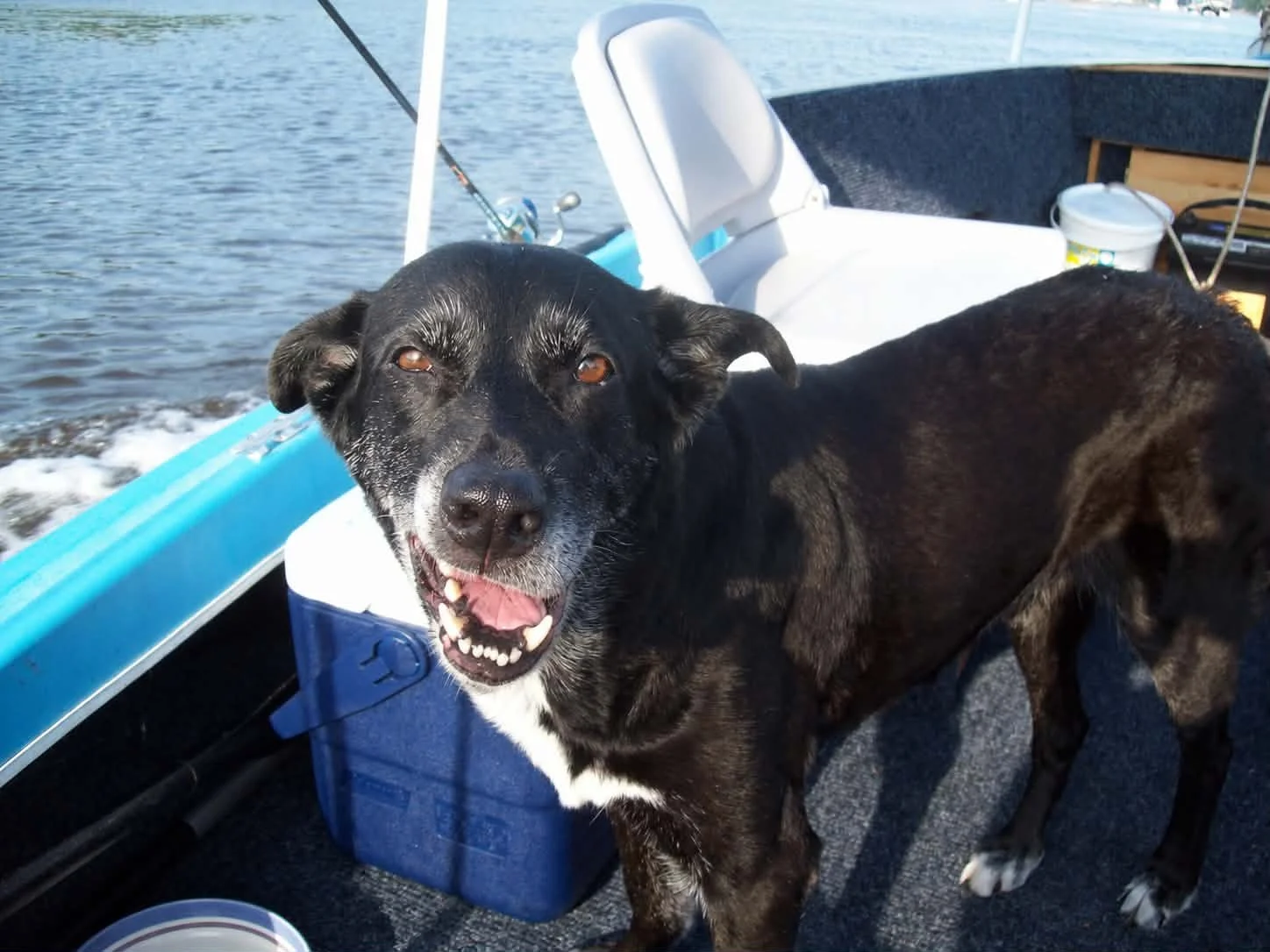
My husband still tells the story about his old Lab mix, Snappy. He'd pulled into a gas station and hopped out to grab something from the car, and in the two seconds his back was turned, Snappy spotted another dog across the street and took off after it. He grabbed for her collar and missed, called her name, and she heard him — he's sure of that — but she didn't even glance back. Whatever that other dog across the street promised in that moment mattered more to her than anything he could offer, and she found out the hard way, getting hit by a car mid-chase.
She survived — badly shaken, but okay. The vet actually called my husband back in afterward, worried her jaw might be broken from the impact. Turned out it wasn't broken at all. That was just Snappy's face. She'd always had this permanently crooked, toothy grin, the kind that makes a dog look like they're mid-joke even when they're getting scolded, and apparently it was convincing enough to send a vet back for a second look.
Snappy got lucky. A lot of dogs in that exact scenario don't.
Why Your Dog Won't Come When It Matters
When I talk to people about recall, I don't start with how to fix it. I start with why it falls apart in the first place, because most of the time it's not random and it's not the dog being stubborn. It's something that was either never fully taught or unintentionally undone along the way.
One of the most common reasons is that no one ever really invested time into teaching recall in the first place. A lot of puppies naturally follow you around, check in, and come back when called, so it feels like they "get it." In reality, they're just staying close because of proximity and dependence. As they get older and more confident, that natural tendency fades, and suddenly the recall that seemed solid disappears.
Another piece of it is that coming back to you stops being exciting. Early on, puppies respond because you're engaging, you're new, and you're interesting. But if every time they come back, nothing really happens, or it ends the fun, they start to realize that what they were doing before is more rewarding than returning to you. Once that shift happens, you'll start to see hesitation, delay, or outright ignoring.
There's also the situation most people have experienced at least once. A door gets left open, a gate isn't latched, and the dog gets loose. Adrenaline is high, your dog is having the time of their life running around, and eventually they do come back. In that moment, it's very easy to respond out of fear and frustration. If the dog is corrected or punished for coming back, even unintentionally, you've now made that recall cue something negative. From the dog's perspective, coming back ended the fun and led to a bad outcome, which makes them less likely to do it again.
Competition is another big factor. Recall has to be more valuable than whatever the dog is choosing instead. That means figuring out what actually motivates your dog and being honest about it. For some dogs, that might be food. For others, it's movement, play, or access to something they want. If you're using low-value rewards in a high-distraction environment, you're going to lose that competition every time.
For dogs that are food motivated, this can be built fairly easily by creating a strong association between a specific recall word and something they don't normally get. Fresh food, cheese, meat — something that stands out and is consistent every time. The key is that it's predictable and valuable enough that the dog starts to prioritize it over other options.
But there are dogs where that alone isn't enough. Dogs with a high prey drive, for example, are not going to choose a piece of food over a moving squirrel just because you've practiced a few times. In those cases, management becomes important. Making sure your dog is secure with multiple layers — leash, fencing, containment — is part of being realistic about where they're at.
This is also where e-collar training can make a significant difference when it's done correctly. It allows you to maintain communication and follow-through at a distance, which is something most people lose the second the leash comes off. It's not about punishment — it's about clarity and consistency in situations where the environment is more compelling than you are. When introduced properly, it gives the dog a clear understanding that recall still applies, even when they're off-leash and fully engaged in something else.
At the end of the day, recall isn't just about teaching a word. It's about building value, consistency, and clear expectations in a way that holds up when it actually matters. If it only works when it's easy, it hasn't been finished yet.
If your dog's recall falls apart the second something more interesting shows up, you're not alone. It just means there are pieces missing in how it was built, and those can be addressed with the right approach. Book a consultation if you're in Hernando County, or reach out about remote coaching — available nationwide.