

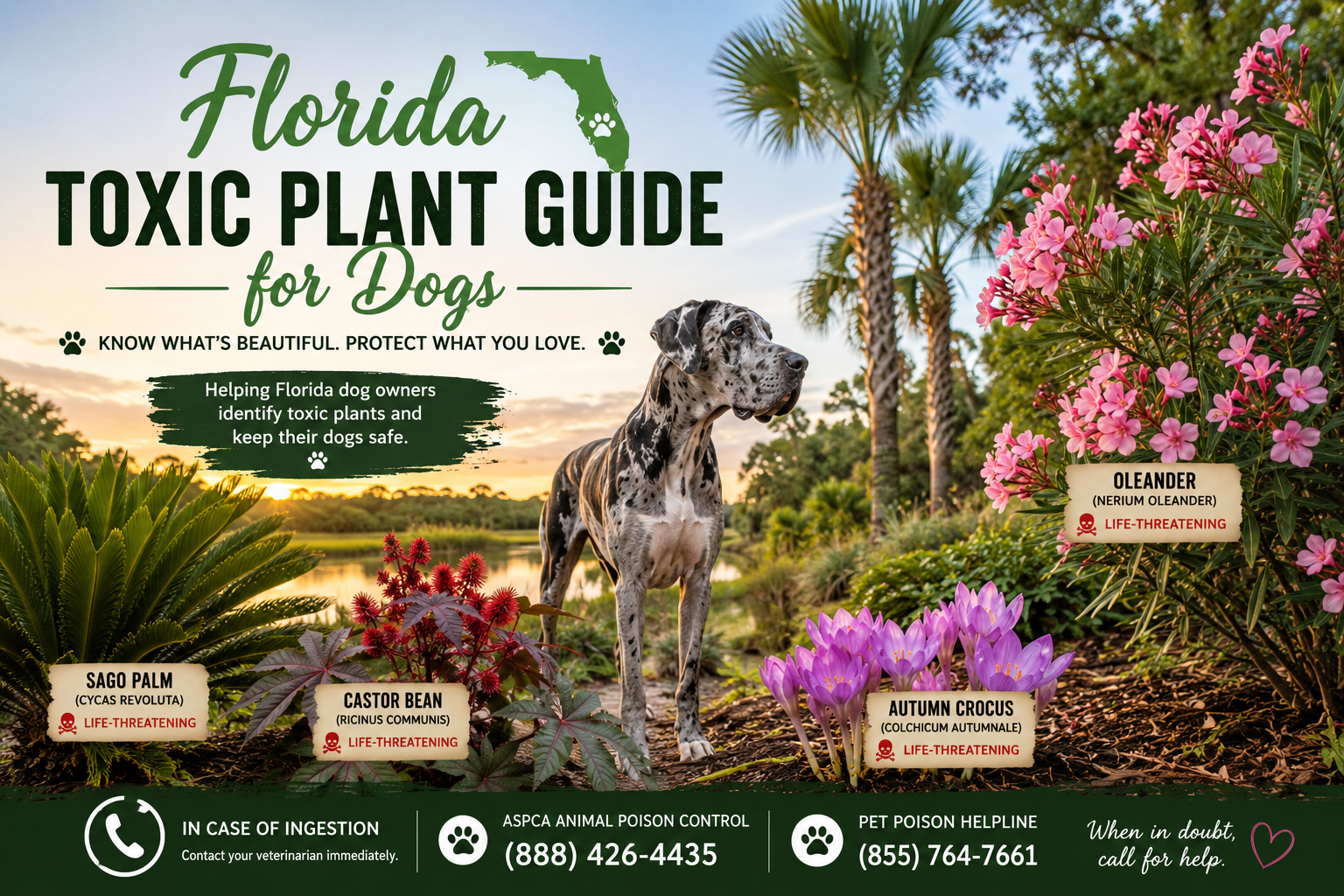
Toxic Plants for Dogs in Florida
A Comprehensive Guide for Florida Dog Owners
Florida is home to hundreds of beautiful plants, but many of them can be toxic—or even life-threatening—to dogs. This guide is designed to help Florida dog owners identify common poisonous plants, understand the risks associated with each one, recognize the signs of poisoning, and know when emergency veterinary care may be needed.
Whether you're landscaping your yard, hiking with your dog, or simply curious about a plant you encountered, this guide will continue to grow as additional plants are researched and added.
Last Updated: August 2026
⚠️ If You suspect your dog has ingested a poisonous plant, contact your veterinarian immediately and Poison Control.
ASPCA Animal Poison Control Center (24/7)
📞 (888) 426-4435 (Consultation fee may apply.)
Pet Poison Helpline (24/7)
📞 (855) 764-7661 (Consultation fee may apply.)
Toxicity Classification
☠️ Life-Threatening Toxicity
Even small amounts may cause severe illness or death. Immediate emergency veterinary care is recommended.
🔴 High Toxicity
Can cause serious illness or organ damage. Prompt veterinary evaluation is recommended.
🟠 Moderate Toxicity
May cause significant illness depending on the amount ingested and the individual dog. Contact your veterinarian promptly.
🟡 Lower Toxicity
Usually associated with mild irritation or gastrointestinal upset, but veterinary advice is still recommended.
☠️ Life-Threatening PLANTS FOR DOGS IN FLORIDA
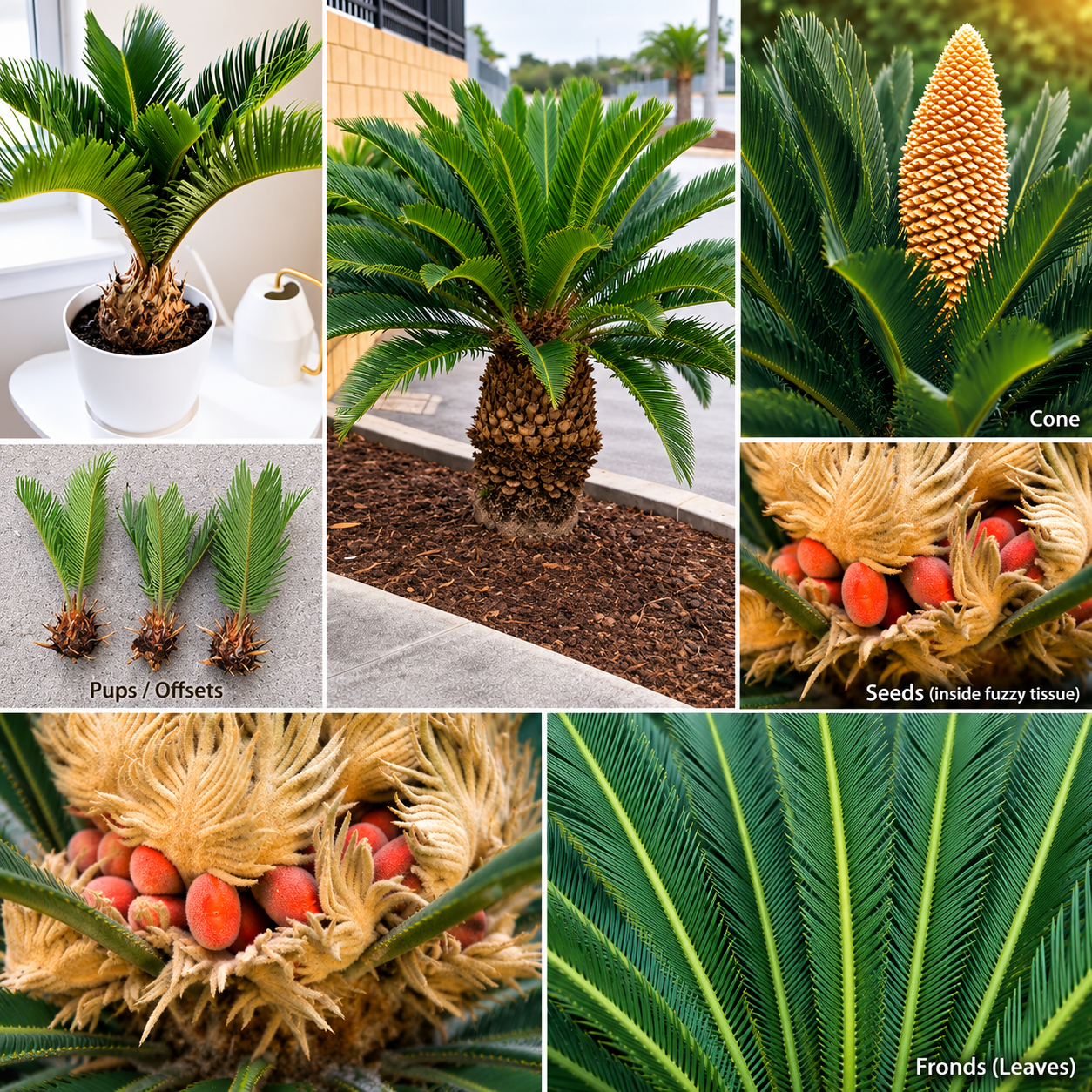
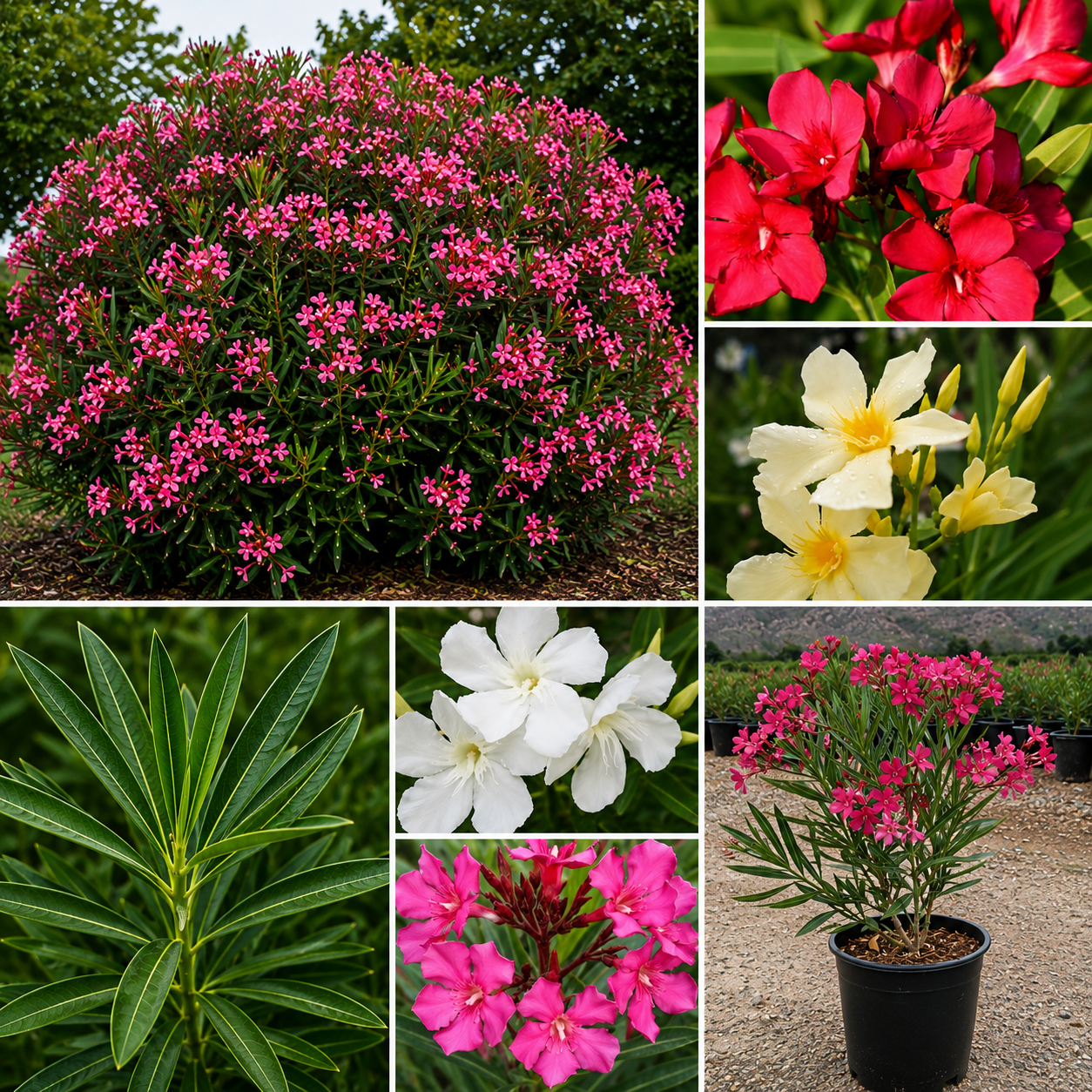
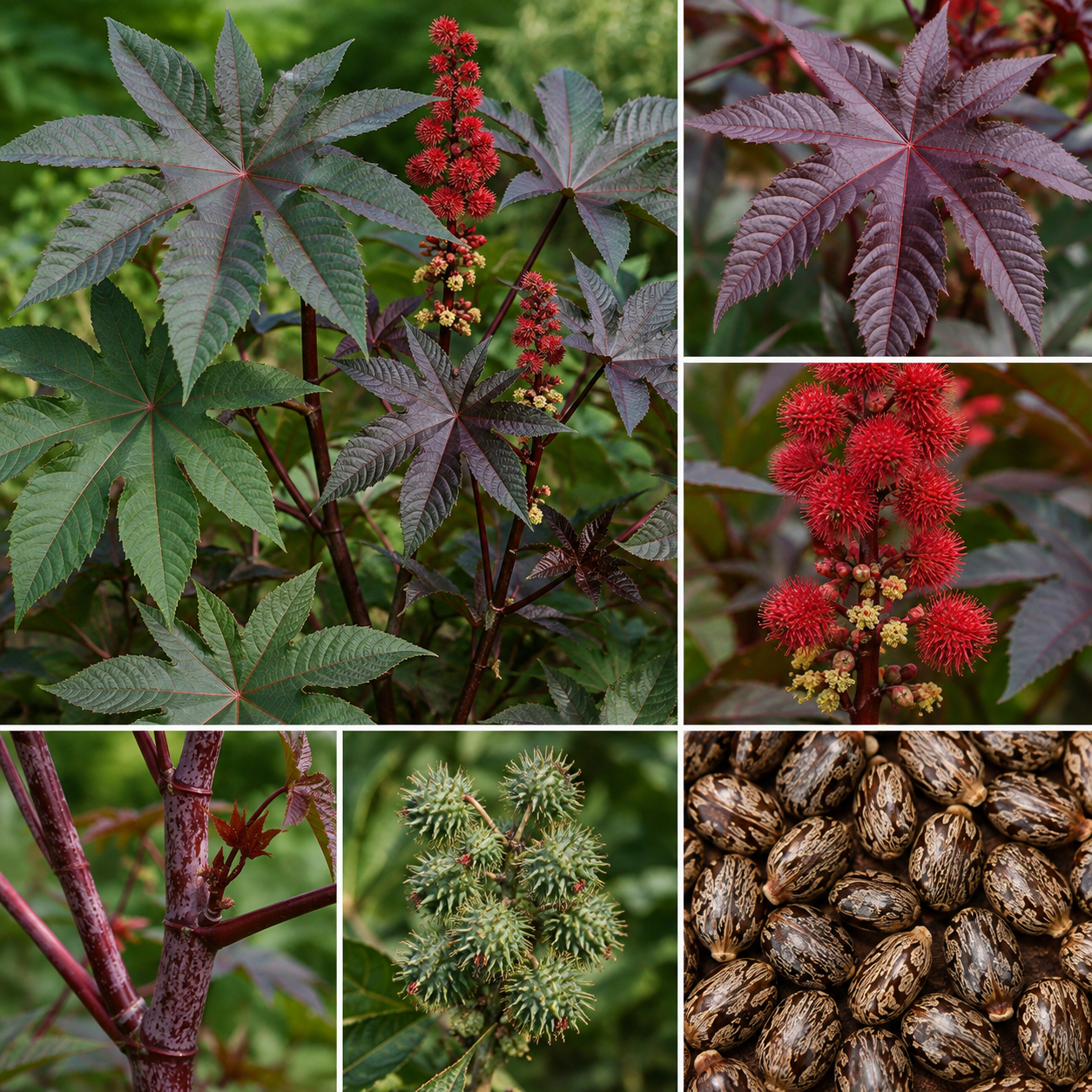
Click to learn more about the plants in the photos listed above.
-
☠️ Sago Palm (Cycas revoluta)
☠️ Life-Threatening Toxicity
Sago palm is considered one of the most dangerous ornamental plants for dogs. Although commonly used in Florida landscapes and as a houseplant, every part of the plant is poisonous, with the seeds containing the highest concentration of toxins. Ingesting even a single seed can cause severe liver failure, neurological signs, and death. Any suspected ingestion should be treated as a veterinary emergency.
Identification
Scientific Name:Cycas revoluta
Common Names: Sago Palm, King Sago, Japanese Sago Palm, Cycad
Plant Type: Evergreen cycad (not a true palm)
Height: Typically 3–10 feet, though older specimens may grow taller
Leaves: Dark green, glossy, feather-like fronds with stiff, narrow leaflets that emerge in a circular crown from the top of the trunk.
Trunk: Thick, rough, brown trunk covered with old leaf scars.
Seeds: Large, bright orange to red seeds produced on female plants.
Cones: Male plants produce a tall, cone-shaped structure, while female plants develop a rounded seed structure containing numerous seeds.
Where Is It Found?
Distribution in Florida: Throughout the state
Sago palms are extremely popular ornamental plants and are commonly found in:
Residential landscapes
Apartment and condominium complexes
Commercial landscaping
Shopping centers
Hotels and resorts
Parks
Botanical gardens
As indoor houseplants
Because they are slow-growing, drought-tolerant, and require relatively little maintenance, they are one of the most widely planted ornamental cycads in Florida.
Toxic Parts
☠️ Every part of the plant is toxic.
This includes:
Seeds (most toxic)
Leaves
Roots
Trunk
Cones
The bright orange-red seeds pose the greatest risk because they often attract curious dogs and are easily picked up and chewed.
How Toxic Is It?
☠️ Life-Threatening
Sago palms contain several toxins, including cycasin, which primarily causes severe liver damage. Neurological toxins may also contribute to tremors and seizures. Without prompt veterinary treatment, poisoning can rapidly become fatal.
Signs of Poisoning
Symptoms often begin within a few hours after ingestion and may include:
Excessive drooling
Vomiting
Bloody diarrhea
Loss of appetite
Abdominal pain
Weakness
Lethargy
Increased thirst
Yellowing of the gums, eyes, or skin (jaundice)
Tremors
Seizures
Difficulty walking
Collapse
Liver failure
Abnormal bleeding or bruising
Death
What Should You Do?
If you suspect your dog has chewed or ingested any part of a sago palm:
Remove any remaining plant material from your dog's mouth if it can be done safely.
Contact your veterinarian immediately.
If your veterinarian is unavailable, contact the ASPCA Animal Poison Control Center or the Pet Poison Helpline.
Do not wait for symptoms to develop. Early treatment dramatically improves the chances of survival.
Prognosis
The prognosis depends on:
Which part of the plant was ingested
The amount consumed
How quickly treatment begins
Whether liver damage has already developed
Even with aggressive treatment, sago palm poisoning carries a guarded to poor prognosis in severe cases. Dogs that receive immediate veterinary care before significant liver damage occurs have the best chance of recovery.
Interesting Fact
Despite its name, the sago palm is not actually a palm. It belongs to an ancient group of plants called cycads, which have existed since before the age of the dinosaurs. While admired for their tropical appearance, cycads rank among the most poisonous ornamental plants for pets.
Quick Identification Tips
☑️ Stiff, glossy, feather-like fronds arranged in a circular crown
☑️ Thick, rough brown trunk with old leaf scars
☑️ Bright orange to red seeds on female plants
☑️ Large upright cone on male plants
☑️ Frequently planted in Florida landscapes and commonly sold as a houseplant
☑️ One of the most dangerous ornamental plants for dogs in Florida
-
Descriptio☠️ Oleander (Nerium oleander)
☠️ Life-Threatening Toxicity
Oleander is one of the most dangerous ornamental plants found in Florida. Despite its beautiful flowers and widespread use in landscaping, every part of the plant contains potent cardiac glycosides, toxins that interfere with the heart's normal electrical activity. Ingesting even a small amount can cause severe poisoning, abnormal heart rhythms, and death in both dogs and humans.
Identification
Scientific Name: Nerium oleander
Common Names: Oleander, Rosebay
Plant Type: Evergreen ornamental shrub or small tree
Height: Typically 6–20 feet
Leaves: Long, narrow, leathery leaves with smooth edges, usually arranged in pairs or whorls of three. Leaves are dark green with a prominent central vein.
Flowers: Showy five-petaled flowers that may be pink, white, red, salmon, peach, yellow, or cream depending on the cultivar. Single and double-flowered varieties exist.
Seed Pods: Long, slender pods that split open when mature to release numerous seeds attached to silky hairs.
Where Is It Found?
Distribution in Florida: Throughout the state
Oleander is one of Florida's most commonly planted ornamental shrubs and is frequently found in:
Residential landscapes
Apartment and condominium complexes
Shopping centers
Schools
Parks
Road medians
Commercial landscaping
Public gardens
Because of its drought tolerance and long flowering season, it is widely planted throughout Florida.
Toxic Parts
☠️ Every part of the plant is toxic.
This includes:
Flowers
Leaves
Stems
Bark
Roots
Seed pods
Seeds
Plant sap
Even dried leaves remain toxic, and water from a vase containing oleander flowers may contain enough toxins to cause illness if consumed.
How Toxic Is It?
☠️ Life-Threatening
Oleander contains cardiac glycosides, including oleandrin and neriine, which affect the heart's electrical conduction and pumping ability. Even small amounts can result in severe poisoning, particularly in smaller dogs.
Signs of Poisoning
Symptoms may develop within a few hours of ingestion and can include:
Excessive drooling
Vomiting
Diarrhea
Abdominal pain
Loss of appetite
Weakness
Depression or lethargy
Tremors
Dilated pupils
Slow, rapid, or irregular heartbeat
Difficulty breathing
Collapse
Seizures
Sudden death
What Should You Do?
If you suspect your dog has chewed or ingested any part of an oleander plant:
Remove any remaining plant material from your dog's mouth if it can be done safely.
Contact your veterinarian immediately.
If your veterinarian is unavailable, contact the ASPCA Animal Poison Control Center or the Pet Poison Helpline.
Do not wait for symptoms to develop. Immediate veterinary treatment offers the best chance of recovery.
Prognosis
The prognosis depends on:
The amount ingested
The size of the dog
How quickly treatment begins
Dogs treated promptly often recover, while delays in treatment significantly increase the risk of life-threatening heart complications.
Interesting Fact
Oleander is so toxic that people have become seriously ill after using its branches as skewers for cooking or roasting food over a fire. Even the smoke from burning large amounts of oleander can be irritating, so the plant should never be burned or used around food preparation.
Quick Identification Tips
☑️ Long, narrow, leathery evergreen leaves
☑️ Leaves grow in pairs or whorls of three
☑️ Showy flowers in pink, white, red, yellow, peach, or salmon
☑️ Large evergreen shrub commonly used in Florida landscaping
☑️ Long, narrow seed pods that split to release silky-haired seeds
☑️ One of the most common—and most dangerous—ornamental shrubs found throughout Floridan text goes here
-
Description text ☠️ Castor Bean (Ricinus communis)
☠️ Life-Threatening Toxicity
Castor bean is one of the most poisonous plants found in Florida. Although it is commonly grown as an ornamental for its dramatic foliage and colorful seed pods, the seeds contain ricin, one of the most potent naturally occurring plant toxins. Even chewing a small number of seeds can result in severe poisoning, and ingestion should always be treated as a medical emergency.
Identification
Scientific Name: Ricinus communis
Common Names: Castor Bean, Castor Oil Plant, Palma Christi
Plant Type: Fast-growing ornamental shrub or small tree
Height: Typically 6–15 feet, but can exceed 20 feet under ideal conditions
Leaves: Large, glossy, star-shaped leaves with 5–11 pointed lobes. Depending on the cultivar, leaves may be bright green, bronze, burgundy, or deep purple.
Flowers: Upright clusters of small cream, yellow-green, or bright red flowers. Female flowers develop into distinctive spiny seed capsules.
Seed Pods: Round, spiny capsules that split open when mature.
Seeds: Smooth, oval, highly decorative seeds mottled in shades of brown, tan, black, and cream that resemble beans or ticks.
Where Is It Found?
Distribution in Florida: Throughout the state
Castor bean is cultivated as an ornamental but has escaped cultivation in many parts of Florida. It may be found in:
Residential landscapes
Roadsides
Vacant lots
Canal banks
Pastures
Disturbed areas
Natural areas
Toxic Parts
☠️ Every part of the plant is toxic.
The seeds contain the highest concentration of ricin and pose the greatest danger. The leaves, stems, and seed pods are less toxic but can still cause illness if ingested.
How Toxic Is It?
☠️ Life-Threatening
The severity of poisoning depends on how many seeds are consumed and whether they were chewed. Whole seeds may pass through the digestive tract with little damage, but chewed or crushed seeds release ricin, dramatically increasing the risk of severe poisoning.
Signs of Poisoning
Symptoms typically develop within several hours after ingestion and may include:
Excessive drooling
Vomiting
Severe diarrhea (sometimes bloody)
Abdominal pain
Loss of appetite
Weakness
Dehydration
Tremors
Collapse
Shock
Organ failure
Death in severe cases
What Should You Do?
If you suspect your dog has eaten any part of a castor bean plant—especially the seeds:
Remove any remaining plant material from your dog's mouth if it can be done safely.
Contact your veterinarian immediately.
If your veterinarian is unavailable, contact the ASPCA Animal Poison Control Center or the Pet Poison Helpline.
Do not wait for symptoms to develop before seeking veterinary advice.
Prognosis
The prognosis depends on:
The number of seeds ingested
Whether the seeds were chewed
How quickly treatment begins
Dogs that receive prompt veterinary treatment have a significantly better chance of recovery than those whose treatment is delayed.
Interesting Fact
Although the castor bean plant is extremely poisonous, castor oil has been safely used for centuries in medicine, cosmetics, and industrial products. During commercial processing, ricin remains in the leftover seed material and is not present in properly manufactured pharmaceutical-grade castor oil. The raw seeds themselves, however, remain extremely dangerous and should never be considered safe for pets.
Quick Identification Tips
☑️ Large, star-shaped leaves with 5–11 pointed lobes
☑️ Green, burgundy, or deep purple foliage depending on the variety
☑️ Upright clusters of cream, yellow-green, or bright red flowers
☑️ Distinctive spiny seed pods
☑️ Glossy, marbled bean-like seeds in shades of brown, tan, black, and cream
☑️ Common ornamental plant that has become naturalized throughout much of Floridagoes here
-
☠️ Life-Threatening Toxicity
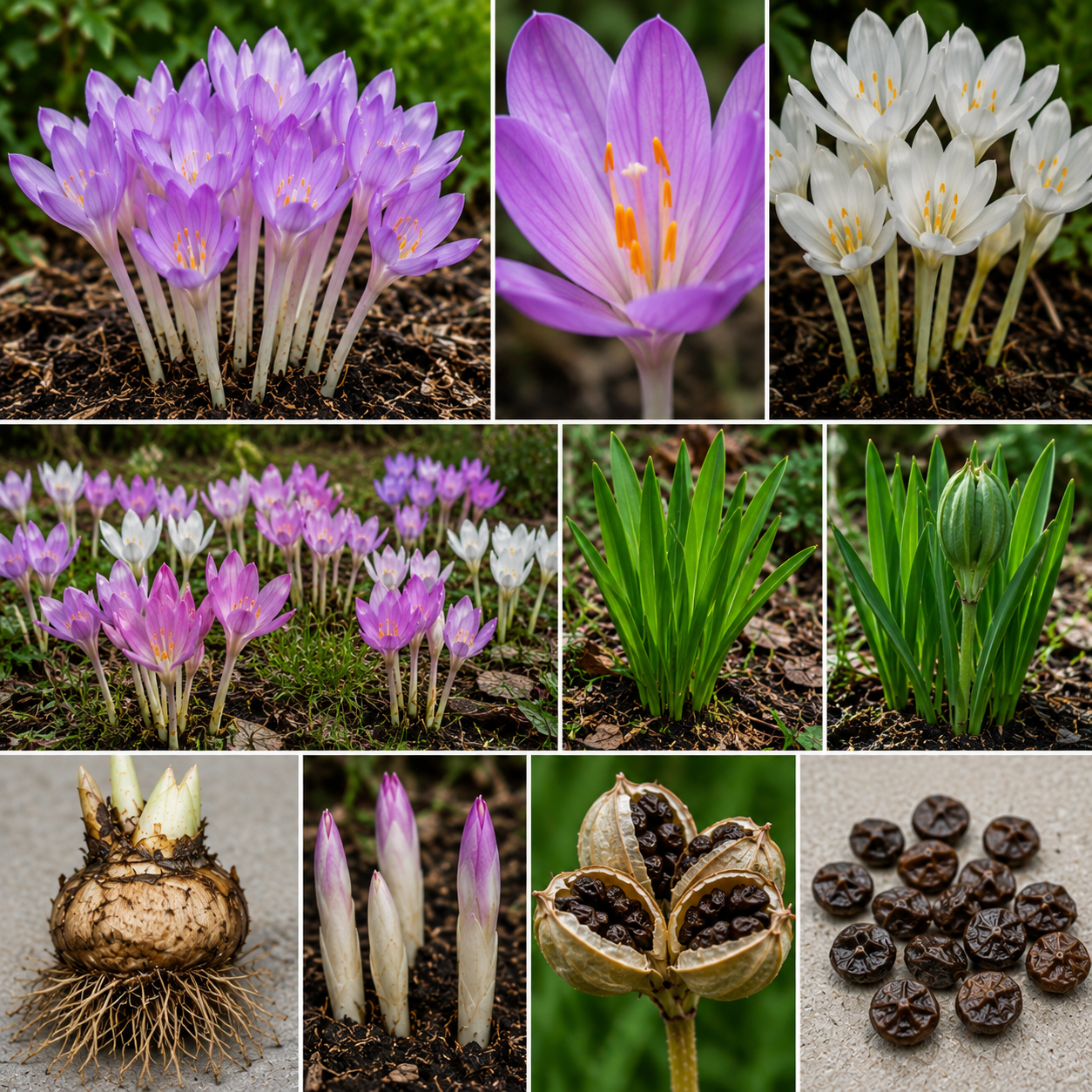
Despite its delicate, crocus-like flowers, autumn crocus is one of the most dangerous ornamental plants a dog can encounter. All parts of the plant contain colchicine, a highly toxic alkaloid that can cause severe gastrointestinal damage, multi-organ failure, bone marrow suppression, and death. Even small amounts may result in serious poisoning, making immediate veterinary care essential if ingestion is suspected.
Identification
Scientific Name: Colchicum autumnale
Common Names: Autumn Crocus, Meadow Saffron, Naked Lady*
Plant Type: Perennial bulb (technically a corm)
Height: 6–12 inches
Flowers: Goblet-shaped flowers in shades of lavender, pink, or white with six petals and prominent yellow or orange stamens. Flowers emerge in autumn before the leaves appear.
Leaves: Long, smooth, strap-like green leaves emerge in spring several months after flowering.
Corm: Rounded underground storage organ covered by a papery brown outer layer.
Seed Pods: Green capsules that develop among the spring leaves before drying and releasing dark brown seeds.
Note: The common name "Naked Lady" is also used for several unrelated plants, so scientific identification is important.
Where Is It Found?
Distribution in Florida: Primarily cultivated in ornamental gardens throughout the state. It is not native to Florida and is uncommon in natural areas due to the state's warm climate.
You may encounter autumn crocus in:
Home landscapes
Botanical gardens
Specialty bulb gardens
Ornamental flower beds
Toxic Parts
☠️ Every part of the plant is toxic.
This includes:
Flowers
Leaves
Corm (bulb)
Seeds
Stems
The highest concentrations of colchicine are generally found in the corms and seeds, although ingestion of any part should be considered a medical emergency.
How Toxic Is It?
☠️ Life-Threatening
Autumn crocus poisoning is particularly dangerous because symptoms may be delayed for several hours after ingestion, allowing serious internal damage to occur before obvious clinical signs develop.
Signs of Poisoning
Symptoms may include:
Excessive drooling
Vomiting
Severe diarrhea (sometimes bloody)
Abdominal pain
Loss of appetite
Weakness
Difficulty breathing
Dehydration
Tremors
Collapse
Bone marrow suppression
Liver or kidney damage
Multi-organ failure
Symptoms often begin 2–12 hours after ingestion, although severe complications may continue developing over the next 24–72 hours.
What Should You Do?
If you suspect your dog has ingested any part of an autumn crocus plant:
Remove any remaining plant material from your dog's mouth if it can be done safely.
Contact your veterinarian immediately.
If your veterinarian is unavailable, contact the ASPCA Animal Poison Control Center or the Pet Poison Helpline.
Do not wait for symptoms to develop—early treatment greatly improves the chances of recovery.
Prognosis
The prognosis depends on:
The amount consumed
Which part of the plant was ingested
How quickly treatment begins
Because colchicine poisoning can continue causing damage long after the initial gastrointestinal signs appear, early veterinary intervention is critical.
Interesting Fact
Autumn crocus is frequently confused with true crocuses (Crocus species) because of their similar flowers. While true crocuses are generally considered much less toxic, autumn crocus contains colchicine, making it dramatically more dangerous to dogs. One of the easiest ways to tell them apart is that autumn crocus flowers appear in the fall without leaves, while true crocuses typically bloom with their leaves present.
Quick Identification Tips
☑️ Lavender, pink, or white crocus-like flowers
☑️ Flowers bloom before the leaves appear
☑️ Long, smooth leaves emerge in spring
☑️ Rounded underground corm (bulb)
☑️ Green seed capsules develop among the spring foliage
☑️ Commonly planted as an ornamental bulb in gardensescription
-
☠️ Life-Threatening
Yew is one of the most poisonous ornamental plants found in landscapes. Although it is more commonly planted in northern states, several yew species and cultivars are grown in Florida as ornamental shrubs, hedges, and container plants. Nearly every part of the plant is highly toxic to dogs, and ingestion can cause sudden, life-threatening effects on the heart. Because symptoms may develop rapidly, any suspected ingestion should be treated as a veterinary emergency.
Identification
Scientific Name: Taxus species
Common Names: Yew, English Yew, Japanese Yew, Hicks Yew
Plant Type: Evergreen shrub or tree
Height: 2–50 feet, depending on the species and cultivar
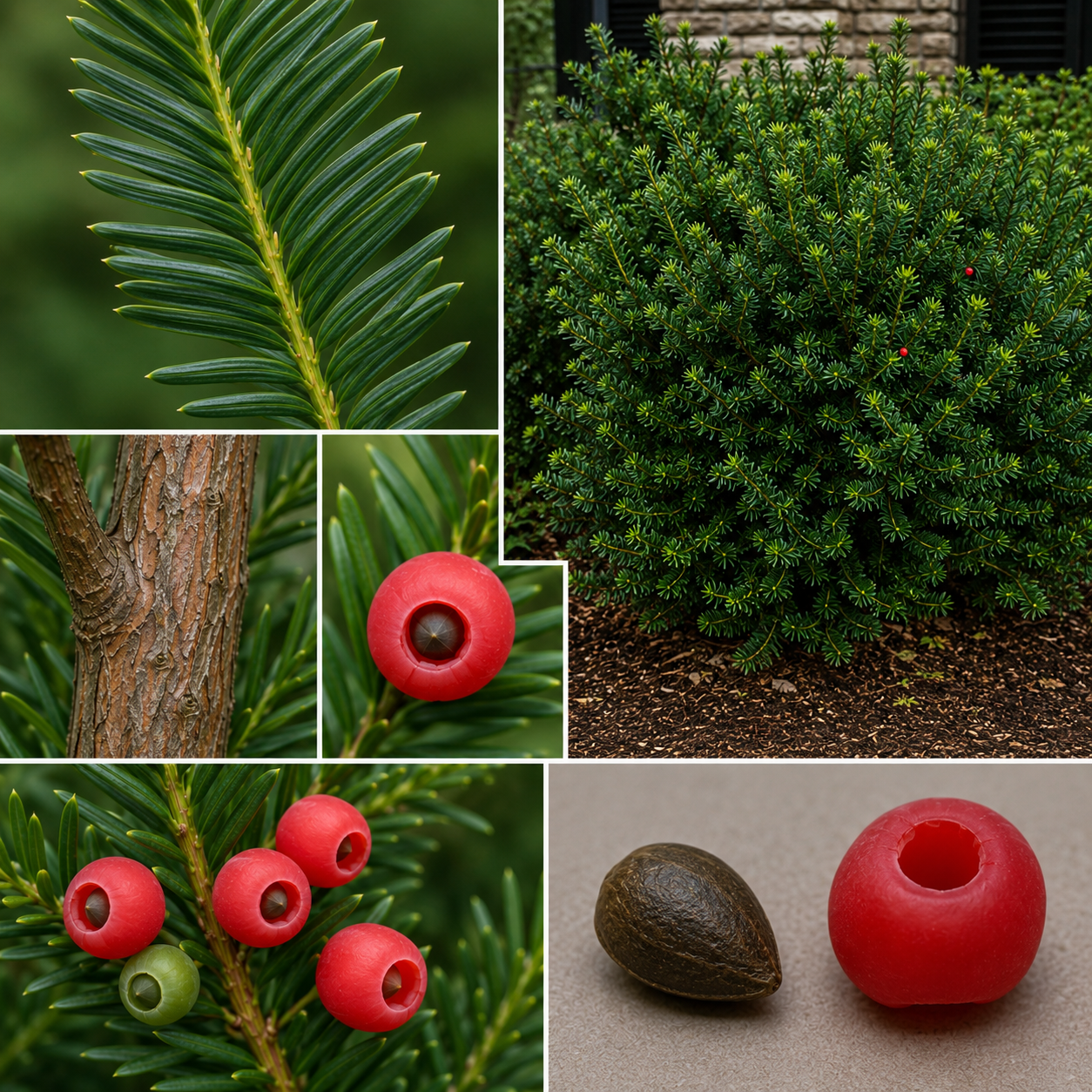
Leaves: Soft, flat, dark green needles arranged in two rows along the stems. The undersides are lighter green.
Stems: Woody branches with reddish-brown to gray bark.
Flowers: Small and inconspicuous; not typically noticeable.
Fruit: Bright red, fleshy berry-like structures (called arils) surrounding a single hard seed. The red flesh is not toxic, but the seed inside is extremely poisonous if chewed.
Where Is It Found?
Distribution in Florida: Primarily North and Central Florida, with occasional use in South Florida as a landscape ornamental.
Yew may be found in:
Residential landscapes
Commercial landscaping
Botanical gardens
Historic gardens
Estate properties
Container plantings
While it is less common than many other ornamentals in Florida, it is occasionally used in shaded landscapes and formal gardens.
Toxic Parts
☠️ Nearly every part of the plant is toxic.
This includes:
Needles
Leaves
Bark
Twigs
Seeds (extremely toxic)
Roots
Only the soft red fleshy covering (aril) is considered non-toxic, but because it surrounds an extremely poisonous seed, the fruit should always be considered dangerous.
How Toxic Is It?
☠️ Life-Threatening
Yew contains powerful alkaloids called taxine A and taxine B, which interfere with the heart's electrical conduction system. Even small amounts can trigger severe cardiac abnormalities, and sudden death may occur with little or no warning.
Signs of Poisoning
Symptoms may include:
Excessive drooling
Vomiting
Weakness
Difficulty breathing
Dilated pupils
Tremors
Collapse
Slow or irregular heart rate
Cardiac arrhythmias
Low blood pressure
Seizures
Sudden cardiac arrest
Sudden death
Some animals may collapse suddenly with very few warning signs.
What Should You Do?
If you suspect your dog has eaten any part of a yew plant:
Remove any remaining plant material from your dog's mouth if it can be done safely.
Contact your veterinarian immediately.
If your veterinarian is unavailable, proceed to the nearest emergency veterinary hospital without delay.
Contact the ASPCA Animal Poison Control Center or the Pet Poison Helpline while traveling if additional guidance is needed.
Do not wait for symptoms to appear. Rapid treatment offers the best chance of survival.
Prognosis
The prognosis depends on:
The amount ingested
Whether the seeds were chewed
How quickly treatment begins
Dogs that survive the first 24 hours with aggressive veterinary treatment often recover. However, severe poisonings carry a guarded to poor prognosis because of the risk of fatal cardiac arrhythmias.
Interesting Fact
The same plant responsible for fatal poisonings has also contributed to modern medicine. The Pacific yew (Taxus brevifolia) was the original natural source of paclitaxel (Taxol®), an important chemotherapy drug used to treat several types of cancer. Despite this medical significance, landscape yews remain among the most dangerous ornamental plants for dogs.
Quick Identification Tips
☑️ Evergreen shrub or small tree with soft, flat, dark green needles
☑️ Needles arranged in two neat rows along the stems
☑️ Bright red berry-like arils containing a single hard seed
☑️ Woody stems with reddish-brown bark
☑️ Often used as a hedge or ornamental foundation planting
☑️ Found primarily in North and Central Florida landscapes
Note: The bright red berries often attract curiosity, but the hard seed inside is one of the most poisonous parts of the plant. Even a small amount of chewed foliage or seeds can be fatal to dogs.
-
☠️ Life-Threatening
Angel's Trumpet is a beautiful ornamental shrub or small tree commonly grown throughout Florida for its large, fragrant, trumpet-shaped flowers. Despite its beauty, every part of the plant is extremely poisonous to dogs. It contains powerful tropane alkaloids that affect the nervous system, heart, and digestive tract. Even small amounts can cause severe poisoning, making immediate veterinary care essential.
Identification
Scientific Name: Brugmansia species
Common Names: Angel's Trumpet, Brugmansia
Plant Type: Evergreen shrub or small tree
Height: Typically 6–20 feet
Leaves: Large, soft, oval-shaped leaves with pointed tips and slightly wavy or toothed edges. They are medium to dark green and may have a slightly fuzzy texture.
Stems: Smooth green stems that become woody with age.
Flowers: Large, hanging trumpet-shaped flowers measuring 6–12 inches long. Flowers may be white, cream, yellow, peach, pink, or orange and are often highly fragrant, especially in the evening.
Seed Pods: Green, oval-shaped seed pods containing numerous flat brown seeds.
Where Is It Found?
Distribution in Florida: Throughout the state.
Angel's Trumpet is commonly found in:
• Residential landscapes
• Tropical gardens
• Botanical gardens
• Commercial landscaping
• Parks
• Container plantings
• Courtyards and patios
Toxic Parts
☠️ Every part of the plant is toxic.
This includes:
• Flowers
• Leaves
• Stems
• Roots
• Seeds
• Seed pods
• Sap
How Toxic Is It?
Angel's Trumpet contains atropine, scopolamine, and hyoscyamine, powerful alkaloids that disrupt normal nerve function. These toxins affect the brain, heart, eyes, respiratory system, and digestive tract, potentially causing severe neurological and cardiovascular complications.
Signs of Poisoning
Symptoms may develop within 30 minutes to several hours and can include:
• Excessive drooling
• Vomiting
• Dilated pupils
• Rapid heart rate
• Restlessness
• Disorientation
• Agitation
• Muscle tremors
• Difficulty walking
• Weakness
• Difficulty breathing
• Seizures
• Collapse
• Coma
What Should You Do?
If you suspect your dog has eaten any part of an Angel's Trumpet plant:
• Remove any remaining plant material from your dog's mouth if it can be done safely.
• Contact your veterinarian immediately.
• If your veterinarian is unavailable, proceed to the nearest emergency veterinary hospital.
• Contact the ASPCA Animal Poison Control Center or the Pet Poison Helpline if additional guidance is needed.
• Do not wait for symptoms to develop. Early treatment greatly improves the chances of survival.
Prognosis
The prognosis depends on:
• The amount ingested
• Which part of the plant was consumed
• How quickly treatment begins
Dogs treated promptly often recover with aggressive supportive care. Severe poisonings involving respiratory or neurological complications require hospitalization and carry a more guarded prognosis.
Interesting Fact
Angel's Trumpet is often confused with Jimsonweed (Datura species). A simple way to tell them apart is by the flowers—Angel's Trumpet flowers hang downward, while Jimsonweed flowers point upward. Both plants contain the same dangerous toxins and should be considered life-threatening if ingested.
Quick Identification Tips
☑️ Large, hanging trumpet-shaped flowers
☑️ Flowers may be white, cream, yellow, peach, pink, or orange
☑️ Large, soft green leaves with slightly wavy edges
☑️ Woody shrub or small tree commonly planted in Florida landscapes
☑️ Green oval seed pods containing numerous flat brown seeds
☑️ Sweetly fragrant flowers, especially in the evening
-
☠️ Life-Threatening
Chinaberry is a fast-growing ornamental tree commonly found throughout Florida. Although it produces attractive clusters of lavender flowers and bright yellow berries, every part of the plant is toxic to dogs, with the berries posing the greatest risk. The toxins affect both the digestive and nervous systems and can cause severe poisoning. Prompt veterinary treatment is essential if ingestion is suspected.
Identification
Plant Type: Deciduous ornamental tree
Height: Typically 30–50 feet
Leaves: Large, bright green, fern-like compound leaves with multiple pointed, serrated leaflets.
Stems: Young branches are smooth and green, becoming grayish-brown and rougher with age.
Flowers: Fragrant clusters of small lavender to light purple flowers with five narrow petals and a darker purple center. Blooms appear in spring.
Fruit: Round berries approximately ½–¾ inch in diameter that ripen from green to golden yellow. The berries often remain on the tree throughout the winter.
Where Is It Found?
Distribution in Florida: Throughout the state.
Chinaberry is commonly found in:
• Residential landscapes
• Parks
• Roadsides
• Fence lines
• Vacant lots
• Woodlands
• Naturalized areas
Although originally planted as an ornamental tree, Chinaberry is now considered an invasive species throughout much of Florida.
Toxic Parts
☠️ Every part of the plant is toxic.
This includes:
• Berries (most toxic)
• Seeds
• Leaves
• Bark
• Flowers
• Stems
How Toxic Is It?
Chinaberry contains toxic compounds called meliatoxins that affect the gastrointestinal tract and nervous system. While a small amount may cause stomach upset, larger ingestions can result in severe neurological signs, respiratory depression, paralysis, and death.
Signs of Poisoning
Symptoms may develop within a few hours and include:
• Excessive drooling
• Vomiting
• Diarrhea
• Loss of appetite
• Abdominal pain
• Weakness
• Depression
• Difficulty walking
• Muscle tremors
• Seizures
• Paralysis
• Difficulty breathing
• Collapse
• Coma
What Should You Do?
If you suspect your dog has eaten any part of a Chinaberry tree:
• Remove any remaining plant material from your dog's mouth if it can be done safely.
• Contact your veterinarian immediately.
• If your veterinarian is unavailable, proceed to the nearest emergency veterinary hospital.
• Contact the ASPCA Animal Poison Control Center or the Pet Poison Helpline if additional guidance is needed.
• Do not wait for symptoms to appear. Early treatment greatly improves the chances of recovery.
Prognosis
The prognosis depends on the amount ingested and how quickly treatment begins. Dogs that receive prompt veterinary care often recover, while severe poisonings involving neurological or respiratory complications carry a guarded prognosis.
Interesting Fact
Chinaberry belongs to the same plant family as the neem tree, but unlike neem, Chinaberry is highly toxic. It has escaped cultivation and is now considered an invasive species in many parts of Florida.
Quick Identification Tips
☑️ Large, fern-like compound leaves
☑️ Clusters of fragrant lavender flowers
☑️ Round yellow berries that often remain on the tree through winter
☑️ Gray-brown bark on mature trees
☑️ Fast-growing tree commonly found along roadsides and in naturalized areas
☑️ Invasive throughout much of Florida
Note: The bright yellow berries are especially attractive to curious dogs and children. Because the berries contain the highest concentration of toxins, any suspected ingestion should be treated as a veterinary emergency.
-
Foxglove (Digitalis purpurea)
☠️ Life-Threatening
Foxglove is a striking flowering plant grown in ornamental gardens for its tall spikes of tubular flowers. Although it is less common in Florida than in cooler climates, it is still found in home gardens and landscapes. Every part of the plant contains potent cardiac glycosides that interfere with the heart's normal electrical activity. Even small amounts can cause serious heart rhythm disturbances, making immediate veterinary care essential.
Identification
Plant Type: Biennial or short-lived perennial flowering plant
Height: Typically 2–6 feet
Leaves: Soft, dark green, lance-shaped leaves with a wrinkled surface and finely toothed edges. Lower leaves form a dense rosette during the first year.
Stems: Thick, upright green flowering stalks.
Flowers: Tall spikes of tubular, bell-shaped flowers. Colors include purple, pink, white, yellow, and cream, often with spotted throats.
Seed Pods: Small brown capsules that contain hundreds of tiny seeds.
Where Is It Found?
Distribution in Florida: Occasionally grown throughout the state, especially during cooler months and in ornamental gardens.
Foxglove is commonly found in:
• Residential flower gardens
• Botanical gardens
• Decorative landscape beds
• Cottage gardens
• Container plantings
Toxic Parts
☠️ Every part of the plant is toxic.
This includes:
• Leaves
• Flowers
• Stems
• Roots
• Seeds
The leaves contain the highest concentration of cardiac glycosides.
How Toxic Is It?
Foxglove contains cardiac glycosides, including digitoxin and digoxin-like compounds, which directly affect the heart. These toxins can cause dangerous arrhythmias, severe electrolyte disturbances, collapse, and sudden death.
Signs of Poisoning
Symptoms may include:
• Excessive drooling
• Vomiting
• Diarrhea
• Loss of appetite
• Weakness
• Lethargy
• Abdominal pain
• Slow or irregular heart rate
• Cardiac arrhythmias
• Collapse
• Tremors
• Seizures
• Sudden death
What Should You Do?
If you suspect your dog has eaten any part of a Foxglove plant:
• Remove any remaining plant material from your dog's mouth if it can be done safely.
• Contact your veterinarian immediately.
• If your veterinarian is unavailable, proceed directly to the nearest emergency veterinary hospital.
• Contact the ASPCA Animal Poison Control Center or the Pet Poison Helpline if additional guidance is needed.
• Do not wait for symptoms to appear. Early treatment can be lifesaving.
Prognosis
The prognosis depends on the amount ingested and how quickly treatment begins. Mild exposures often recover with prompt treatment, while severe poisonings involving life-threatening heart rhythm abnormalities carry a guarded prognosis.
Interesting Fact
Foxglove is the natural source of the heart medication digoxin. While carefully controlled doses of purified compounds are used medically, the plant itself contains unpredictable concentrations of cardiac glycosides and should never be consumed by people or animals.
Quick Identification Tips
☑️ Tall spikes of tubular, bell-shaped flowers
☑️ Purple, pink, white, yellow, or cream blooms with spotted throats
☑️ Soft, wrinkled dark green leaves
☑️ Upright flowering stalks reaching up to 6 feet
☑️ Small brown seed capsules
☑️ Popular ornamental plant in cottage-style gardens
Note: Because even small amounts of Foxglove can affect the heart, any suspected ingestion should be treated as a veterinary emergency.
-
☠️ Life-Threatening
Yellow Oleander is an evergreen ornamental shrub or small tree commonly grown throughout Florida for its bright yellow, trumpet-shaped flowers and glossy green foliage. Despite its beauty, every part of the plant is highly toxic to dogs. It contains powerful cardiac glycosides that interfere with the heart's normal electrical activity, and even small amounts can result in life-threatening poisoning.
Identification
Plant Type: Evergreen shrub or small tree
Height: Typically 10–20 feet
Leaves: Long, narrow, glossy green leaves with smooth edges and pointed tips. Leaves are arranged spirally along the stems.
Stems: Smooth green stems when young that become woody and gray-brown as the plant matures.
Flowers: Bright yellow, trumpet-shaped flowers with five overlapping petals. Some cultivated varieties produce peach or apricot-colored blooms.
Fruit: Rounded to somewhat triangular green fruits that mature to black. Each fruit contains several hard seeds.
Where Is It Found?
Distribution in Florida: Throughout the state, especially Central and South Florida.
Yellow Oleander is commonly found in:
• Residential landscapes
• Commercial landscaping
• Parks
• Botanical gardens
• Tropical gardens
• Parking lot medians
• Container plantings
Toxic Parts
☠️ Every part of the plant is toxic.
This includes:
• Leaves
• Flowers
• Stems
• Bark
• Sap
• Fruit
• Seeds (most toxic)
How Toxic Is It?
Yellow Oleander contains cardiac glycosides, including thevetin and peruvoside, which disrupt the heart's electrical conduction system. These toxins can cause dangerous heart rhythm abnormalities, low blood pressure, collapse, and sudden death.
Signs of Poisoning
Symptoms may include:
• Excessive drooling
• Vomiting
• Diarrhea
• Loss of appetite
• Abdominal pain
• Weakness
• Lethargy
• Slow or irregular heart rate
• Cardiac arrhythmias
• Tremors
• Collapse
• Seizures
• Sudden death
What Should You Do?
If you suspect your dog has eaten any part of a Yellow Oleander plant:
• Remove any remaining plant material from your dog's mouth if it can be done safely.
• Contact your veterinarian immediately.
• If your veterinarian is unavailable, proceed directly to the nearest emergency veterinary hospital.
• Contact the ASPCA Animal Poison Control Center or the Pet Poison Helpline if additional guidance is needed.
• Do not wait for symptoms to appear. Early treatment offers the best chance of survival.
Prognosis
The prognosis depends on the amount ingested and how quickly treatment begins. Dogs that receive prompt treatment have the best chance of recovery, while severe poisonings involving cardiac arrhythmias carry a guarded to poor prognosis.
Interesting Fact
Although its name is similar, Yellow Oleander is a different species than Common Oleander. Both belong to the same plant family and contain potent cardiac toxins, making each one a veterinary emergency if ingested.
Quick Identification Tips
☑️ Bright yellow trumpet-shaped flowers
☑️ Long, narrow, glossy green leaves
☑️ Evergreen shrub or small tree
☑️ Green fruits that mature to black
☑️ Common ornamental in tropical Florida landscapes
☑️ Contains powerful heart toxins throughout the entire plant
Note: Yellow Oleander is one of the most dangerous ornamental plants grown in Florida. Because even small amounts can cause life-threatening heart abnormalities, any suspected ingestion should be treated as an emergency.
-
☠️ Life-Threatening
Coontie is Florida's only native cycad and is commonly used in residential and commercial landscapes because of its attractive, palm-like appearance and drought tolerance. Despite being native to Florida, every part of the plant is highly toxic to dogs, especially the seeds. Coontie contains the same dangerous toxin found in Sago Palms and can cause severe liver damage, neurological complications, internal bleeding, and death.
Identification
Plant Type: Native evergreen cycad
Height: Typically 1–3 feet
Leaves: Dark green, stiff, feather-like fronds with numerous narrow leaflets arranged along a central stalk. The foliage grows in a circular rosette from the base of the plant.
Stems: Thick, woody underground stem that is usually hidden beneath the soil.
Cones: Male plants produce narrow, upright cones, while female plants produce rounded cones that contain bright orange to red seeds when mature.
Seeds: Large orange to red seeds that develop inside the female cone. The seeds contain the highest concentration of toxins.
Where Is It Found?
Distribution in Florida: Native throughout much of the state, especially Central and South Florida.
Coontie is commonly found in:
• Residential landscapes
• Native plant gardens
• Commercial landscaping
• Parks
• Botanical gardens
• Coastal landscapes
• Pine flatwoods and other natural habitats
Toxic Parts
☠️ Every part of the plant is toxic.
This includes:
• Seeds (most toxic)
• Leaves
• Cones
• Roots
• Underground stem
How Toxic Is It?
Coontie contains cycasin, a potent toxin that causes severe liver damage. It can also affect the nervous system and blood clotting, leading to liver failure, internal bleeding, seizures, and death. Even a single seed can contain enough toxin to cause severe poisoning.
Signs of Poisoning
Symptoms may include:
• Excessive drooling
• Vomiting
• Diarrhea
• Loss of appetite
• Abdominal pain
• Weakness
• Lethargy
• Yellowing of the gums, eyes, or skin (jaundice)
• Bloody stool
• Bruising or abnormal bleeding
• Tremors
• Seizures
• Collapse
• Liver failure
What Should You Do?
If you suspect your dog has eaten any part of a Coontie plant:
• Remove any remaining plant material from your dog's mouth if it can be done safely.
• Contact your veterinarian immediately.
• If your veterinarian is unavailable, proceed directly to the nearest emergency veterinary hospital.
• Contact the ASPCA Animal Poison Control Center or the Pet Poison Helpline if additional guidance is needed.
• Do not wait for symptoms to develop. Immediate treatment offers the best chance of survival.
Prognosis
The prognosis depends on the amount ingested and how quickly treatment begins. Dogs treated before significant liver damage develops have the best chance of recovery. Severe poisonings involving liver failure or neurological signs carry a guarded to poor prognosis.
Interesting Fact
Coontie is often mistaken for a young Sago Palm because both are cycads with similar feather-like foliage. Although Coontie is Florida's only native cycad, it contains the same dangerous toxin, cycasin, and should be considered just as hazardous to dogs.
Quick Identification Tips
☑️ Native Florida cycad with stiff, feather-like fronds
☑️ Dark green leaves growing in a circular rosette
☑️ Male and female plants produce cone-like structures
☑️ Female plants produce bright orange to red seeds
☑️ Commonly used in native and drought-tolerant landscapes
☑️ Frequently mistaken for a young Sago Palm
Note: Because Coontie closely resembles a Sago Palm, many pet owners assume it is harmless because it is native to Florida. In reality, both plants contain cycasin and should be considered life-threatening if ingested by dogs.
-
☠️ Life-Threatening Toxicity
Carolina Jessamine is a fast-growing evergreen vine commonly grown throughout Florida for its fragrant yellow flowers and ability to quickly cover fences, trellises, arbors, and other landscape structures. Despite its delicate appearance, every part of the plant is poisonous to dogs. It contains potent alkaloids that affect the nervous system and can lead to muscle weakness, respiratory paralysis, seizures, and death. Any suspected ingestion should be treated as a veterinary emergency.
Identification
Scientific Name: Gelsemium sempervirens
Common Names: Carolina Jessamine, Yellow Jessamine, False Jasmine, Evening Trumpet Flower
Plant Type: Evergreen flowering vine
Height: Typically climbs 10–20 feet, though mature vines may grow longer.
Leaves: Glossy, dark green, lance-shaped leaves with smooth edges that grow in opposite pairs along the vine.
Stems: Slender, twining woody stems that climb by wrapping around nearby structures.
Flowers: Bright yellow, trumpet-shaped flowers with five fused lobes. The blooms are highly fragrant and appear primarily in late winter and early spring.
Seed Pods: Long, narrow seed capsules that split open when mature to release numerous flat seeds.
Where Is It Found?
Distribution in Florida: Throughout the state
Carolina Jessamine is commonly found in:
Residential landscapes
Fences and trellises
Arbors and pergolas
Commercial landscaping
Parks
Botanical gardens
Roadsides
Woodland edges
Natural areas
Because it is native to the southeastern United States, drought tolerant, and produces abundant early-season flowers, Carolina Jessamine is a popular ornamental vine throughout Florida.
Toxic Parts
☠️ Every part of the plant is toxic.
This includes:
Leaves
Flowers
Stems
Roots
Seeds
Sap
How Toxic Is It?
☠️ Life-Threatening
Carolina Jessamine contains several toxic alkaloids, including gelsemine and gelseminine, which interfere with normal nervous system function. Severe poisoning can rapidly affect breathing, muscle control, and heart function. Without prompt veterinary treatment, poisoning can become fatal.
Signs of Poisoning
Symptoms often begin within a few hours after ingestion and may include:
Excessive drooling
Vomiting
Weakness
Difficulty walking
Muscle tremors
Dilated pupils
Slow heart rate
Difficulty breathing
Paralysis
Collapse
Seizures
Coma
Death
What Should You Do?
If you suspect your dog has chewed or ingested any part of a Carolina Jessamine plant:
Remove any remaining plant material from your dog's mouth if it can be done safely.
Contact your veterinarian immediately.
If your veterinarian is unavailable, contact the ASPCA Animal Poison Control Center or the Pet Poison Helpline.
Do not wait for symptoms to develop. Early treatment dramatically improves the chances of survival.
Prognosis
The prognosis depends on:
The amount consumed
How quickly treatment begins
Whether respiratory paralysis has developed
Even with aggressive treatment, severe Carolina Jessamine poisoning carries a guarded to poor prognosis. Dogs that receive immediate veterinary care before significant neurological or respiratory complications develop have the best chance of recovery.
Interesting Fact
Despite its common name, Carolina Jessamine is not a true jasmine. It belongs to a completely different plant family and is Florida's state wildflower. While admired for its beautiful yellow flowers and sweet fragrance, it is one of the most toxic native ornamental vines for dogs.
Quick Identification Tips
☑️ Bright yellow, trumpet-shaped flowers
☑️ Glossy, dark green leaves growing in opposite pairs
☑️ Slender twining evergreen vine
☑️ Highly fragrant blooms in late winter and early spring
☑️ Long, narrow seed pods
☑️ Commonly grown on fences, trellises, arbors, and throughout Florida landscapes
🔴 High Toxicity
Click to learn more about the plants in the photos listed above.
-
🟠 Moderate Toxicity
Lantana is a colorful flowering shrub commonly found throughout Florida in home landscapes, parks, and along roadsides. While prized for its vibrant blooms and ability to attract butterflies, every part of the plant is toxic to dogs, particularly the unripe green berries. Most cases involve gastrointestinal upset, but larger ingestions can lead to more serious complications, including liver damage.
Identification
Scientific Name: Lantana camara
Common Names: Lantana, Wild Sage, Shrub Verbena
Plant Type: Evergreen or semi-evergreen flowering shrub
Height: Typically 2–6 feet, though some varieties may grow larger.
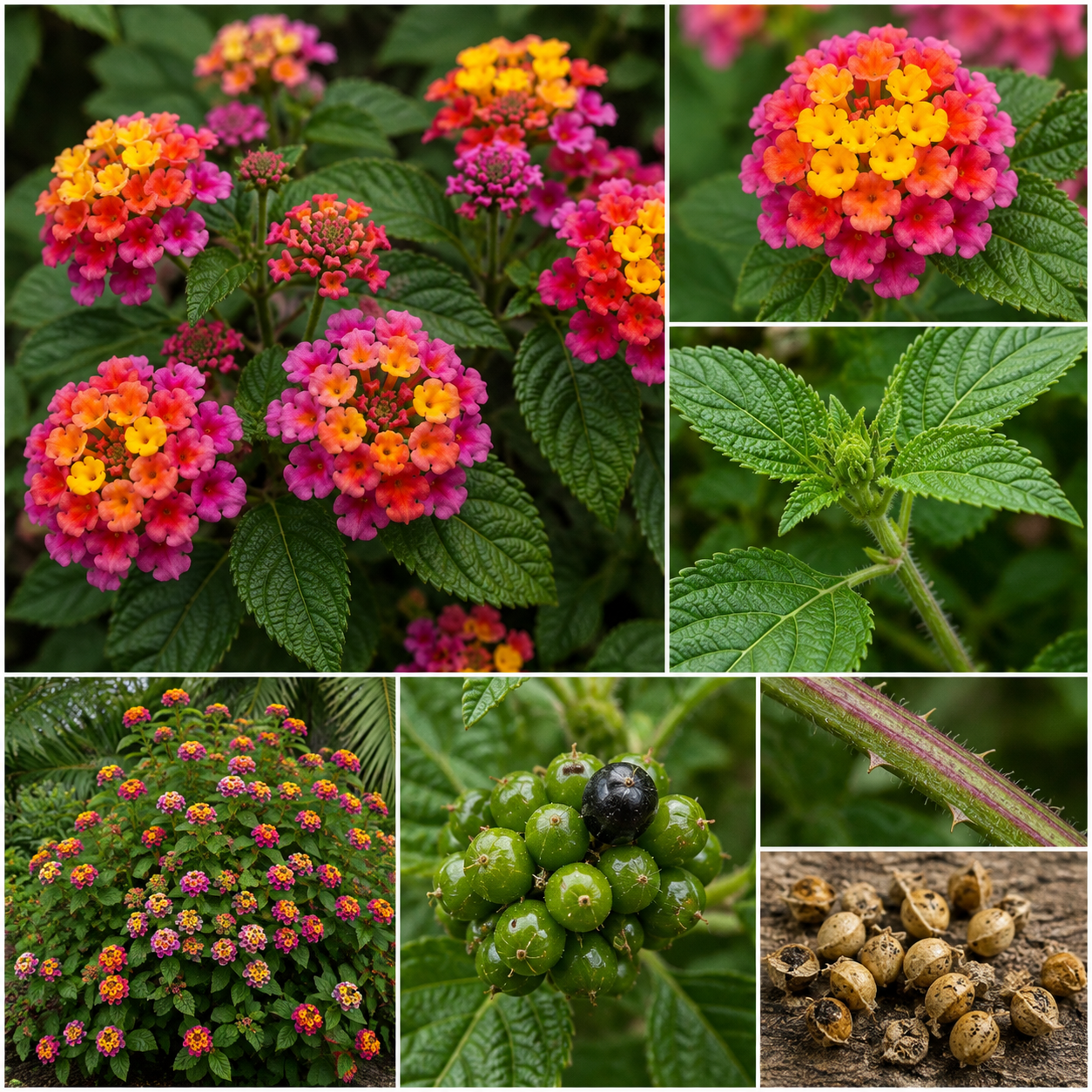
Leaves: Rough, textured, oval-shaped leaves with serrated edges. When crushed, the leaves produce a distinctive pungent odor.
Stems: Green to purplish, square, and covered with fine hairs. Older stems become woody.
Flowers: Dense clusters of small tubular flowers that change color as they mature. Common color combinations include yellow, orange, red, pink, purple, white, and multicolored varieties.
Berries: Small round berries that are green when immature and turn dark purple to black when ripe.
Where Is It Found?
Distribution in Florida: Throughout the state
Lantana is extremely common in Florida and may be found in:
Residential landscapes
Butterfly gardens
Parks
Commercial landscaping
Roadsides
Vacant lots
Coastal areas
Disturbed natural habitats
Because it tolerates heat, drought, and poor soils, lantana is widely planted throughout Florida and has become naturalized in many areas.
Toxic Parts
🟠 Every part of the plant is considered toxic.
This includes:
Leaves
Flowers
Stems
Green (unripe) berries
Ripe berries
The unripe green berries generally contain the highest concentration of toxins.
How Toxic Is It?
🟠 Moderate Toxicity
Lantana contains compounds called lantadenes, which can affect the liver and digestive system. Most dogs that nibble small amounts experience mild gastrointestinal upset, but consuming larger quantities can result in more severe illness.
Signs of Poisoning
Symptoms may include:
Excessive drooling
Vomiting
Diarrhea
Loss of appetite
Abdominal discomfort
Lethargy
Weakness
Dehydration
With larger ingestions or more severe poisoning:
Liver damage
Yellowing of the eyes or gums (jaundice)
Increased sensitivity to sunlight (rare)
Collapse
What Should You Do?
If you suspect your dog has eaten lantana:
Remove any remaining plant material from your dog's mouth if it can be done safely.
Contact your veterinarian for guidance.
If your veterinarian is unavailable, contact the ASPCA Animal Poison Control Center or the Pet Poison Helpline.
Monitor your dog closely, even if only a small amount was consumed, as symptoms may take several hours to develop.
Prognosis
The prognosis is generally good for dogs that ingest only a small amount and receive prompt veterinary care. Dogs that consume larger quantities, particularly of the berries, may require hospitalization and supportive treatment. Severe cases involving liver damage carry a more guarded prognosis.
Interesting Fact
Lantana is one of Florida's most popular butterfly plants because its nectar attracts butterflies, bees, and hummingbirds. While it provides an important food source for pollinators, its leaves and berries can pose a risk to pets, making it a plant worth carefully considering if you have dogs that like to explore or chew vegetation.
Quick Identification Tips
☑️ Dense clusters of small flowers that often change color as they mature
☑️ Flower colors include yellow, orange, red, pink, purple, white, and multicolored combinations
☑️ Rough, textured leaves with serrated edges
☑️ Leaves have a strong odor when crushed
☑️ Square, slightly hairy stems that become woody with age
☑️ Small green berries that ripen to dark purple or black
Note: There are more than 100 cultivated varieties and hybrids of lantana, so flower colors and growth habits can vary considerably. Despite these differences, all varieties should be considered potentially toxic to dogs.
-
🔴 Highly Toxic
Azaleas are among the most popular flowering shrubs in Florida, prized for their vibrant spring blooms and evergreen foliage. Unfortunately, every part of the plant is toxic to dogs. Azaleas contain naturally occurring toxins called grayanotoxins, which interfere with normal nerve, muscle, and heart function. Even ingesting a small amount can result in serious poisoning, making prompt veterinary evaluation essential.
Identification
Scientific Name: Rhododendron species
Common Names: Azalea
Plant Type: Evergreen or deciduous flowering shrub
Height: Typically 2–10 feet, depending on the variety
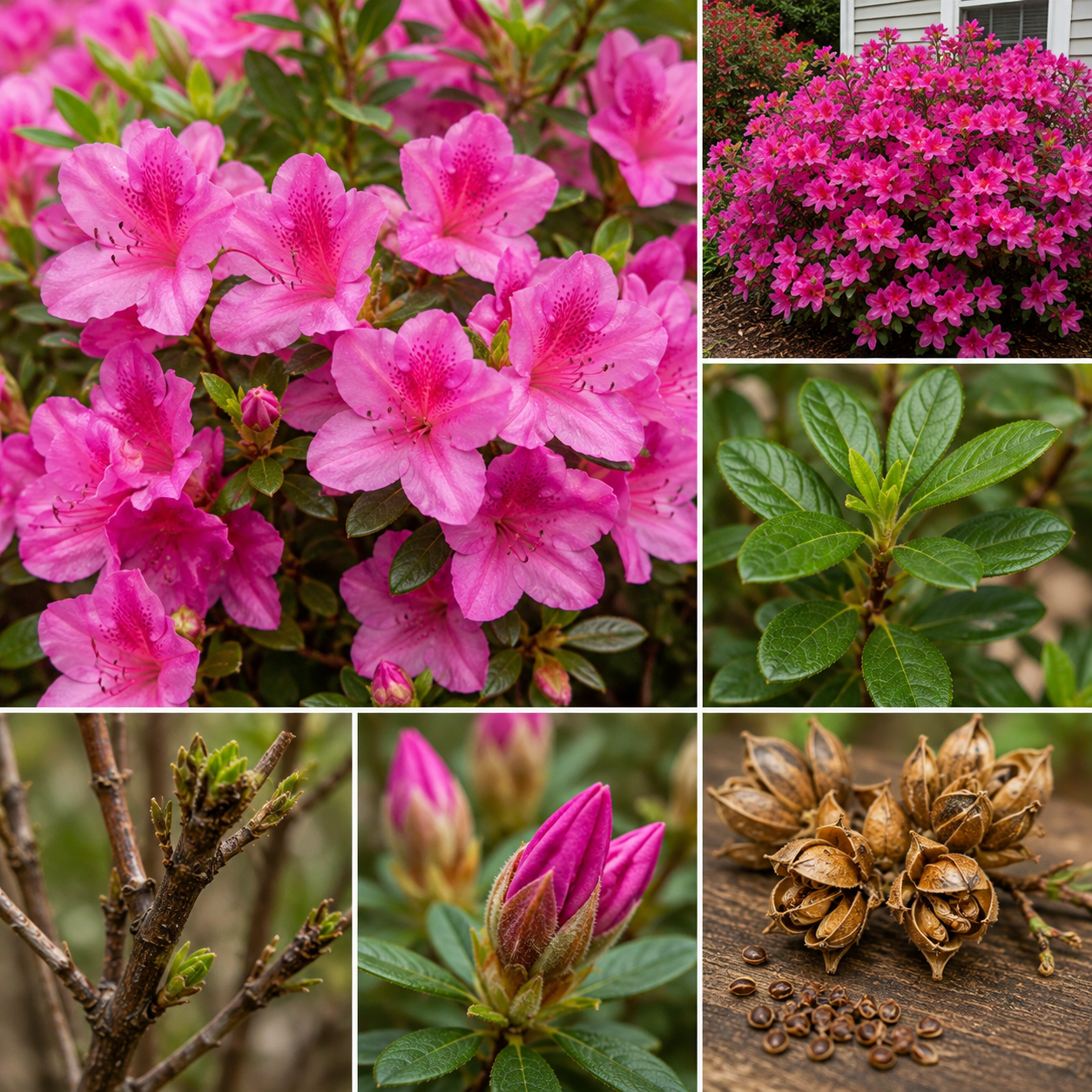
Leaves: Small to medium-sized oval leaves with smooth edges. Most Florida landscape varieties have glossy, dark green evergreen foliage.
Stems: Woody, multi-branched shrub with smooth gray to brown bark.
Flowers: Funnel- or trumpet-shaped flowers with five petals. Blooms may be pink, white, red, purple, lavender, salmon, peach, or bi-colored depending on the cultivar.
Seed Pods: Small brown capsules that split open when mature to release numerous tiny seeds.
Where Is It Found?
Distribution in Florida: Throughout the state
Azaleas are one of Florida's most widely planted ornamental shrubs and are commonly found in:
Residential landscapes
Apartment and condominium complexes
Commercial landscaping
Parks
Botanical gardens
Schools
Hotels and resorts
Foundation plantings around homes and businesses
They thrive particularly well in North and Central Florida but are grown throughout the state.
Toxic Parts
🔴 Every part of the plant is toxic.
This includes:
Flowers
Leaves
Stems
Twigs
Nectar
Seed pods
The leaves and flowers are the parts most commonly ingested by curious dogs.
How Toxic Is It?
🔴 Highly Toxic
Azaleas contain grayanotoxins, which affect the digestive tract, nervous system, and cardiovascular system. Even chewing a few leaves may be enough to cause clinical signs in a dog. While fatalities are uncommon with prompt treatment, severe poisonings can become life-threatening.
Signs of Poisoning
Symptoms typically develop within a few hours after ingestion and may include:
Excessive drooling
Vomiting
Diarrhea
Loss of appetite
Abdominal pain
Weakness
Lethargy
Difficulty walking or stumbling
Tremors
Low blood pressure
Slow or irregular heart rate
Difficulty breathing
Collapse
Seizures
Coma
What Should You Do?
If you suspect your dog has eaten any part of an azalea:
Remove any remaining plant material from your dog's mouth if it can be done safely.
Contact your veterinarian immediately.
If your veterinarian is unavailable, contact the ASPCA Animal Poison Control Center or the Pet Poison Helpline.
Do not wait for symptoms to appear. Early treatment significantly improves the chances of recovery.
Prognosis
The prognosis depends on:
The amount ingested
The size of the dog
How quickly treatment begins
Most dogs recover with prompt veterinary treatment and supportive care. However, larger ingestions can result in serious cardiovascular and neurological complications requiring hospitalization.
Interesting Fact
Azaleas belong to the Rhododendron genus, meaning all azaleas are rhododendrons, but not all rhododendrons are azaleas. Both contain the same toxic compounds, called grayanotoxins. These toxins can also contaminate nectar, producing the rare phenomenon known as "mad honey," which has caused poisoning in both humans and animals.
Quick Identification Tips
☑️ Dense flowering shrub commonly found throughout Florida
☑️ Funnel-shaped flowers in pink, white, red, purple, lavender, salmon, peach, or bi-colored varieties
☑️ Small, glossy oval leaves
☑️ Woody branching stems
☑️ Brown seed capsules that split open to release tiny seeds
☑️ Heavy spring blooms, with some cultivars flowering again later in the year
Note: There are thousands of cultivated azalea varieties available. While flower color, size, and growth habit vary considerably, all azalea varieties should be considered highly toxic to dogs.
-
🟥 Highly Toxic
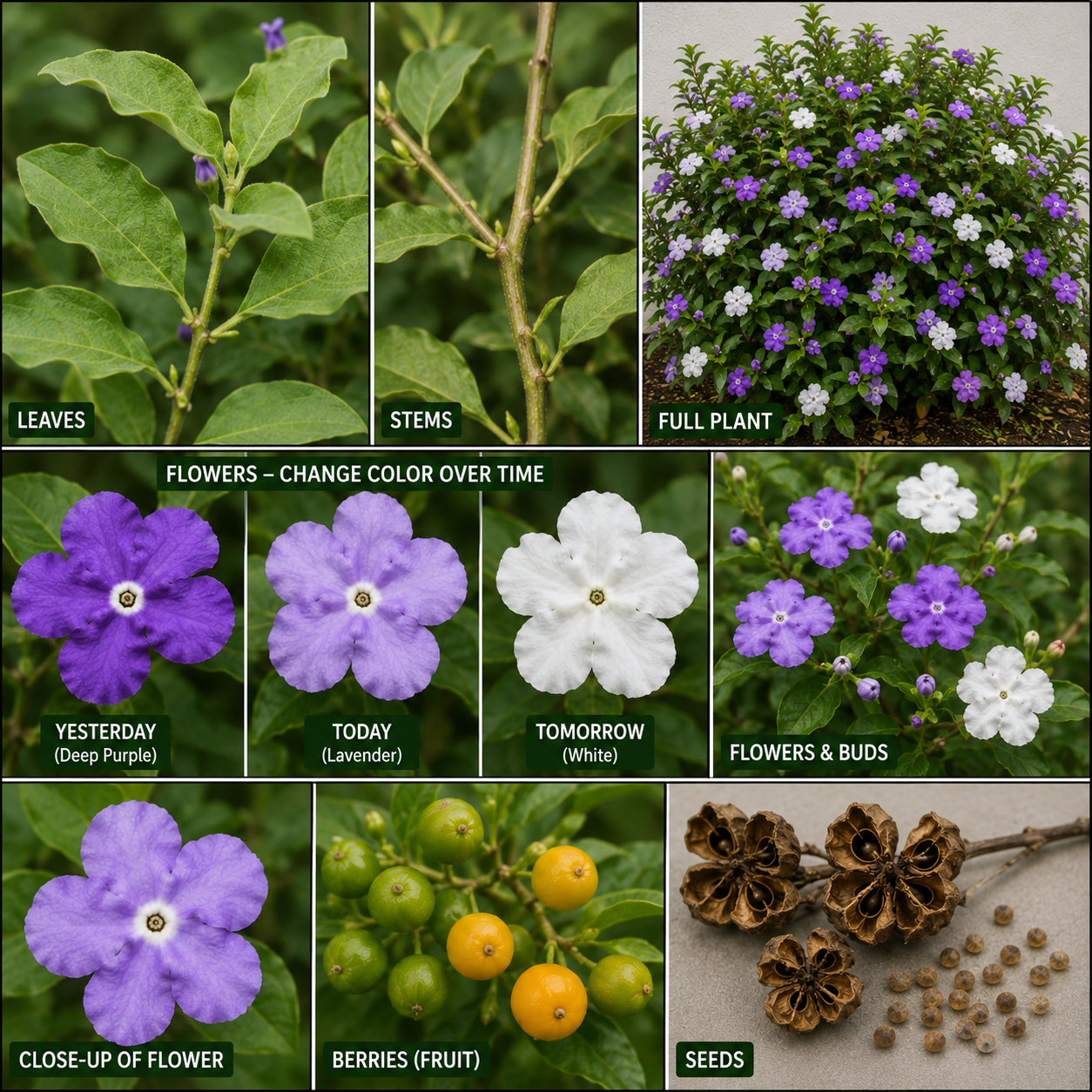
Yesterday-Today-and-Tomorrow is a beautiful flowering shrub commonly grown in Florida landscapes for its fragrant blooms that change color from deep purple to lavender and finally white over several days. Despite its ornamental appeal, every part of the plant is toxic to dogs, with the berries posing the greatest risk. The plant contains several toxic compounds that primarily affect the nervous system and digestive tract, and ingestion can quickly become a veterinary emergency.
Identification
Scientific Name: Brunfelsia pauciflora
Common Names: Yesterday-Today-and-Tomorrow, Kiss Me Quick, Morning-Noon-and-Night
Plant Type: Evergreen flowering shrub
Height: Typically 3–8 feet
Leaves: Glossy, dark green, smooth-edged, elliptical leaves arranged alternately along the stems.
Stems: Woody, branching shrub with grayish-brown bark.
Flowers: Fragrant five-petaled flowers that change color over several days from deep purple to lavender and finally white, often displaying all three colors on the same plant simultaneously.
Fruit: Small round berries that mature from green to yellow-orange or tan and may remain on the plant after flowering.
Where Is It Found?
Distribution in Florida: Throughout much of the state, particularly Central and South Florida.
Yesterday-Today-and-Tomorrow is commonly found in:
Residential landscapes
Botanical gardens
Parks
Commercial landscaping
Tropical and subtropical gardens
Foundation plantings
Because it prefers warm climates, it is especially popular in Central and South Florida.
Toxic Parts
🟥 Every part of the plant is toxic.
This includes:
Flowers
Leaves
Stems
Roots
Berries (most toxic)
The berries are considered particularly dangerous because they are attractive to curious pets and contain high concentrations of the plant's toxins.
How Toxic Is It?
🟥 Highly Toxic
Yesterday-Today-and-Tomorrow contains several naturally occurring toxins, including brunfelsamidine, which can overstimulate the nervous system. Ingestion may cause severe neurological signs, and large amounts can become life-threatening without prompt veterinary treatment.
Signs of Poisoning
Symptoms may include:
Excessive drooling
Vomiting
Diarrhea
Loss of appetite
Restlessness
Muscle tremors
Muscle rigidity
Lack of coordination
Hyperactivity
Seizures
Difficulty breathing
Collapse
Clinical signs may develop within a few hours of ingestion and can progress rapidly.
What Should You Do?
If you suspect your dog has eaten any part of a Yesterday-Today-and-Tomorrow plant:
Remove any remaining plant material from your dog's mouth if it can be done safely.
Contact your veterinarian immediately.
If your veterinarian is unavailable, contact the ASPCA Animal Poison Control Center or the Pet Poison Helpline.
Do not wait for symptoms to develop. Early treatment greatly improves the chances of recovery.
Prognosis
The prognosis depends on:
The amount ingested
Which part of the plant was consumed
How quickly treatment begins
Many dogs recover with aggressive veterinary care and supportive treatment. However, dogs that develop severe neurological signs or seizures often require hospitalization and intensive monitoring.
Interesting Fact
Yesterday-Today-and-Tomorrow gets its unusual name because each flower changes color over three days—opening deep purple, fading to lavender the following day, and turning nearly white before dropping from the plant. This means a single shrub often displays three different flower colors at the same time.
Quick Identification Tips
☑️ Purple, lavender, and white flowers often blooming simultaneously
☑️ Fragrant five-petaled flowers
☑️ Glossy, dark green leaves
☑️ Evergreen shrub commonly used in tropical landscapes
☑️ Small round berries that mature from green to yellow-orange or tan
☑️ Most commonly planted in Central and South Florida
Note: Because the colorful flowers and berries are attractive to both children and pets, Yesterday-Today-and-Tomorrow should be planted with caution in homes where dogs have access to the landscape.
🟠 Moderate ToxicitY
Elephant Ear
Philodendron
Pothos
Dieffenbachia
🟡 Lower Toxicity
(Added as researched.)
Dog-Safe Landscaping Resources
This guide focuses on plants that are toxic to dogs. If you're planning your landscape, consider choosing dog-friendly alternatives whenever possible to reduce the risk of accidental poisoning.