
How to Choose the Right Boarding Facility or Board & Train for Your Dog
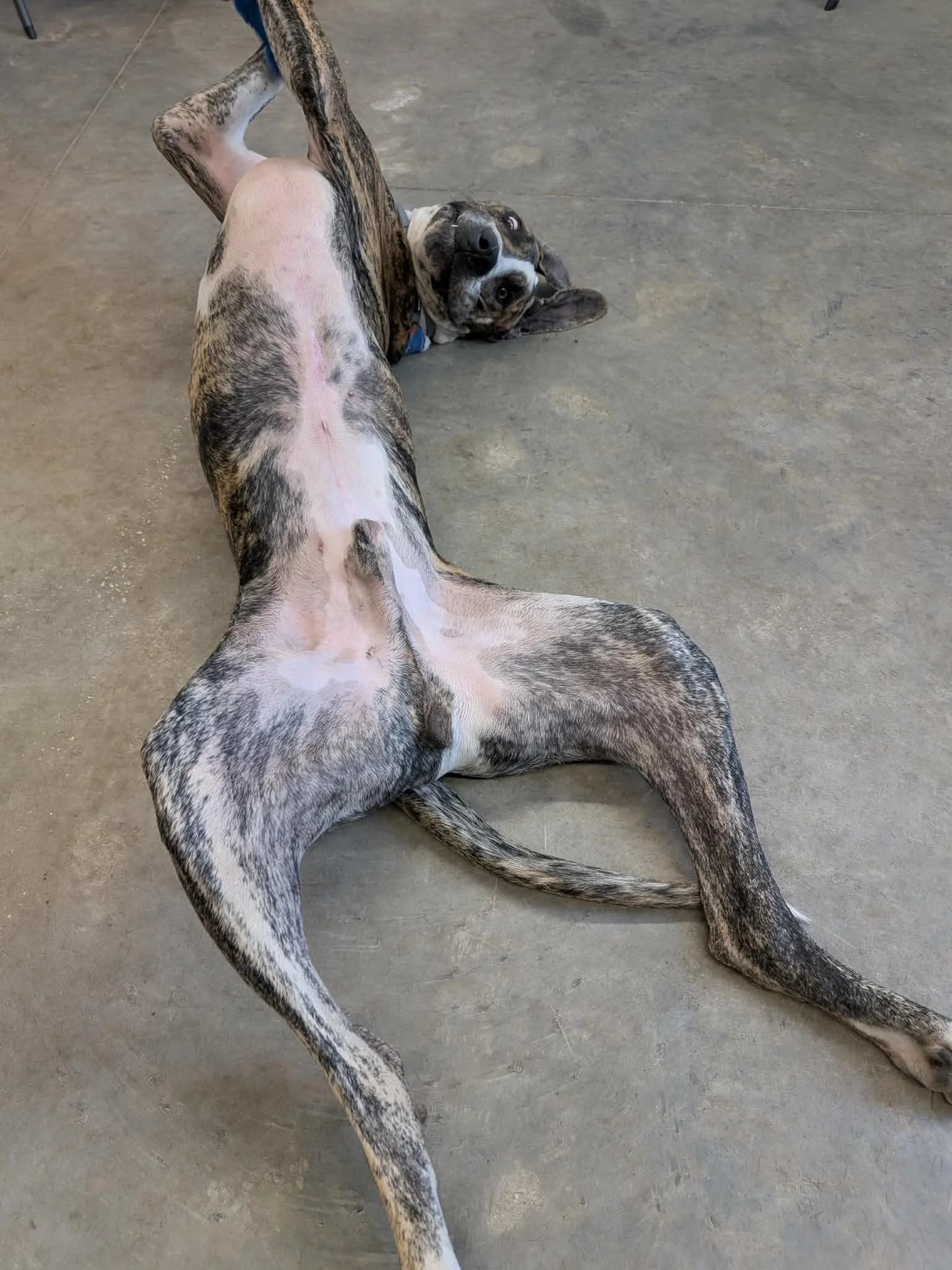
Leaving your dog in someone else's care can be one of the hardest parts of being a dog owner. Whether you're heading out on vacation or investing in a training program, you're trusting someone else with a member of your family.
Unfortunately, many owners don't know what questions to ask until something goes wrong.
This article isn't about pointing fingers or suggesting one type of facility is better than another. Every boarding kennel, trainer, and veterinary hospital operates differently. Instead, my goal is to help you ask thoughtful questions so you can make an informed decision for your individual dog.
1. Will I receive regular updates? Will you receive photos, videos, or text updates? How often? Communication builds trust and provides peace of mind while you're away.
2. Will my dog be interacting with other dogs? If so:
- How are playgroups selected?
- Are dogs grouped by size, age, temperament, and play style?
- Is group play optional?
Not every dog enjoys daycare, and that's perfectly okay.
3. How many staff members supervise the dogs? Ask about the staff-to-dog ratio. How many dogs is one person responsible for at a time? Supervision matters, especially during group play.
4. How do you screen dogs before accepting them? Do they perform temperament evaluations? How do they determine whether a dog is appropriate for group play? What happens if a dog appears overwhelmed or stressed?
5. What health requirements do you have? Ask what vaccinations are required. Do they require proof from your veterinarian? How do they prevent contagious illnesses from spreading?
6. Can you accommodate my dog's individual needs? Every dog is different. Ask whether they can provide:
- Medication administration
- Special diets
- Meals prepared a specific way
- Supplements
- One-on-one time
- Additional training or enrichment
7. Who is monitoring the dogs overnight? This is one of the biggest questions I encourage owners to ask.
Many veterinary hospitals and boarding facilities are not staffed overnight. Dogs may be kenneled after closing and not checked again until the following morning. That doesn't necessarily make it a bad facility — but it's something you deserve to know before making your decision.
Ask:
- Is someone physically on-site overnight?
- How often are dogs checked?
- What happens if a dog becomes sick or injured after hours?
8. What safety protocols do you have in place? Every boarding facility is different, and there isn't one "correct" way to operate. The important thing is that there are clear systems in place and the staff can explain them confidently.
I manage a large number of dogs every day, but the majority are my own. I know their personalities, social dynamics, medical histories, training levels, and how they communicate with one another. That's very different from a commercial boarding facility where unfamiliar dogs are constantly arriving and leaving.
Because my primary focus is training, I intentionally keep my boarding program very small. Most of the time I'm boarding one client dog, and rarely more than two or three. Keeping my numbers low allows me to closely monitor each dog's physical and emotional well-being and adjust their routine as needed.
If you're considering a larger boarding facility, ask questions.
- How many dogs is each staff member responsible for?
- Who supervises playgroups?
- How are new dogs introduced?
- What happens if two dogs don't get along?
- What is the emergency protocol if a dog becomes ill or injured?
- Who makes decisions if the owner can't be reached?
A larger facility isn't automatically better or worse than a smaller one. What matters is whether they have thoughtful systems in place and whether those systems are appropriate for your dog.
9. Where did you get your experience? Don't be afraid to ask.
- How long have you been working with dogs?
- Where did you gain your experience?
- Have you worked under a mentor?
- Have you managed dogs with behavioral or medical needs?
- What continuing education do you pursue?
There isn't one path into the dog industry. The important thing is whether someone can confidently explain their experience and philosophy.
10. Can you provide references? Ask for references from previous clients. Read Google and Facebook reviews, but don't stop there. Look for patterns.
11. Do your homework. Before leaving your dog anywhere, spend a little time researching.
- Check the Better Business Bureau.
- Search the owner's name — not just the business name.
- Have they owned similar businesses before?
- Have there been repeated complaints or frequent business name changes?
One complaint doesn't define a business, but repeated patterns deserve your attention.
12. Is the facility willing to help your dog succeed? Not every dog is ready to be dropped off for a week while their family leaves on vacation.
Sometimes, during my evaluation, I can tell a dog would benefit from a few shorter visits first. Maybe it's daycare, an overnight stay, or a weekend before Mom and Dad disappear for ten days.
Those "practice runs" allow the dog to become familiar with the environment, the routine, and the people caring for them. That gradual introduction can completely change the experience.
Ask whether the facility is willing to work with you to create a plan that's in your dog's best interest instead of assuming every dog should simply adapt.
13. Is the facility willing to say, "This isn't the right fit?" This may be the most important question of all.
Some dogs settle in immediately. Others don't.
If I feel a dog isn't benefiting from being boarded — if they're chronically stressed, refusing to eat, losing weight, unable to settle, or I become concerned they may injure themselves because of their emotional state — I pick up the phone.
Sometimes the right answer is: "I think your dog needs to go home."
If I can't reach the owner, I'll contact their emergency contact. It may be inconvenient. It may interrupt someone's vacation. But I'd much rather have that difficult conversation than keep a dog in an environment where they aren't thriving.
To me, success isn't convincing every dog to stay. Success is recognizing what's best for that individual dog and being willing to put their welfare ahead of convenience, pride, or profit.
Final Thoughts
The goal isn't to find a "perfect" boarding facility. The goal is to find the right boarding facility for your dog.
A good professional won't be offended by thoughtful questions. They'll welcome them. After all, you're not just dropping off luggage. You're trusting someone with a member of your family.
If you're weighing whether a small, training-focused board & train might be the right fit for your dog, I'd be glad to talk it through — book a consultation and we can figure out together whether it's the right match.
Have you had a great — or not-so-great — boarding experience? What questions do you think every owner should ask before trusting someone with their dog? I'd love to hear your thoughts in the comments.