
The Subtle Signs Your Dog Is Stressed Out
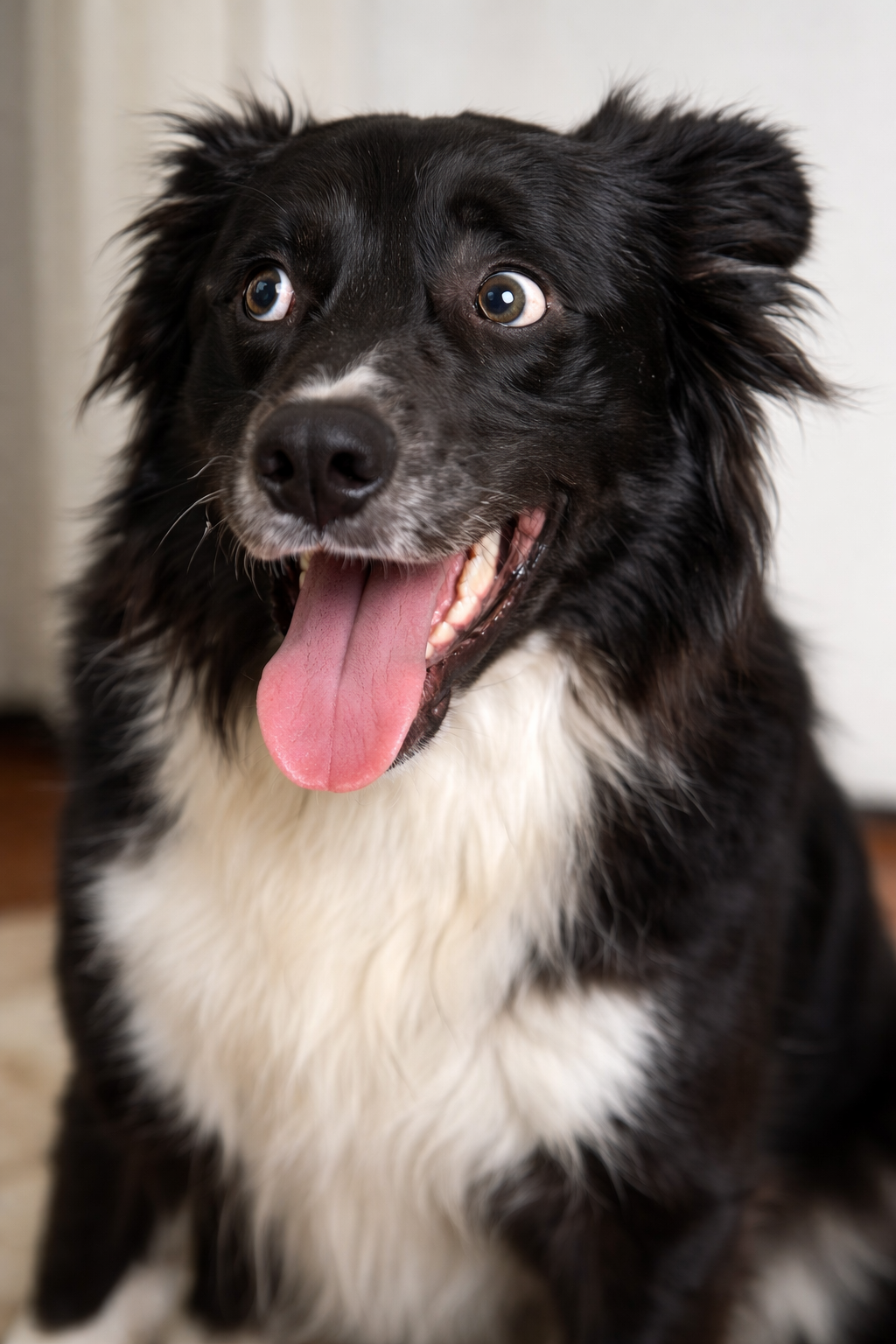
Most behavior problems do not appear overnight. Long before a dog begins barking excessively, reacting to other dogs, or destroying things in the house, there are usually smaller signals that something is not quite right.
Dogs communicate constantly through body language. The challenge is that many of the early signs of stress are subtle and easy to overlook. When people miss these signals, the dog’s discomfort often continues to build until the behavior becomes much harder to ignore.
Learning to recognize these early changes in body language can help owners intervene sooner and prevent many problems from escalating.
Increased scanning of the environment
One of the first things many dogs begin to do when they are experiencing stress or frustration is scan their surroundings more frequently. Instead of resting comfortably, their eyes and ears are constantly tracking movement and sound.
You may notice your dog watching the windows more closely, reacting to small noises, or becoming unusually alert to activity outside the home. While curiosity is normal, a dog that seems unable to disengage from its environment may be experiencing mental tension.
Difficulty settling or relaxing
Another common early sign of stress is difficulty relaxing. Some dogs appear restless even when nothing is happening around them. They may lie down for a moment but quickly get back up again, reposition themselves repeatedly, or wander from room to room.
To an owner this can look like a dog that simply has a lot of energy, but it often indicates that the dog’s mind is still searching for something to engage with.
Displacement behaviors
Dogs often display what are known as displacement behaviors when they are experiencing mild stress. These behaviors appear unrelated to the situation but serve as a way for the dog to release tension.
Common examples include excessive licking, scratching when there is no obvious itch, suddenly sniffing the ground, shaking off as if they were wet, or yawning when the dog is not actually tired.
These small behaviors are easy to miss, but they often occur during moments of uncertainty or internal conflict.
Changes in facial tension
The muscles in a dog’s face can reveal a surprising amount about how they are feeling. As stress begins to increase, dogs may develop subtle tension around the mouth and eyes.
Some dogs begin panting when the temperature does not warrant it. Others may lick their lips frequently, turn their head away from interaction, or show a tighter expression around the muzzle. These changes are often early indicators that the dog is feeling pressure long before obvious behavioral problems appear.
Increased sensitivity to small stimuli
A dog that is becoming mentally frustrated or overwhelmed may begin reacting to things that previously did not bother them. A distant noise, movement outside the window, or a person walking through the house may suddenly trigger a stronger response.
At this stage the dog is not necessarily being disobedient. Instead, their nervous system has become more reactive because they are lacking other outlets for engagement and stimulation.
Not all stress is harmful
It is also important to understand that not all stress is bad. Stress is a normal part of life, and it is also a normal part of learning.
Dogs experience small amounts of stress whenever they encounter something new, face a challenge, or work through a situation they do not fully understand yet. These moments are often part of the learning process. In fact, they can help dogs develop confidence and resilience when they are handled thoughtfully.
The key difference is how the dog responds and how quickly they recover. A healthy dog may show brief signs of uncertainty or stress when faced with something new, but they are able to process the experience and return to a calm state relatively quickly.
When stress becomes constant, overwhelming, or difficult for the dog to recover from, that is when problems begin to develop. Dogs that remain in a heightened state of tension for long periods of time often begin to show the coping behaviors discussed earlier.
In many ways this is not so different from people. Everyone experiences stress at some point. What matters most is how we respond to those challenges and how quickly we are able to return to a balanced state afterward.
Helping dogs develop the ability to move through mild stress and recover calmly is an important part of building confidence and emotional stability.
When stress signals may indicate something more
While subtle body language changes often reflect mental stress or frustration, it is important to recognize that the same signals can also appear when a dog is experiencing pain or illness.
Dogs are very good at masking discomfort, particularly in the early stages of a medical issue. Instead of showing obvious signs of injury or sickness, they may simply behave differently. Owners may notice that their dog becomes more restless, more reactive, or less tolerant of normal handling and interaction.
One of the most important factors to consider is how suddenly the behavior appeared. If a dog that previously seemed stable and relaxed suddenly begins showing unusual stress signals or behavioral changes without a clear environmental cause, it is wise to rule out medical factors.
A thorough veterinary examination can help determine whether underlying issues such as orthopedic discomfort, gastrointestinal problems, neurological concerns, or other health conditions may be contributing to the change in behavior.
Even when a dog’s behavior ultimately turns out to be related to stress or environmental factors, ruling out medical causes is always a responsible first step.
Learning to recognize the early signs
Dogs rarely jump straight from calm behavior to serious problems. Most of the time there are many small signals along the way that something is building beneath the surface.
When owners learn to recognize these early signs of stress, they gain the opportunity to adjust their dog’s environment, routine, and training before frustration turns into bigger behavioral challenges.
Understanding what your dog is communicating through body language is one of the most valuable skills any dog owner can develop.
Need help understanding what your dog is trying to communicate?
If you are noticing some of these stress signals in your own dog and are not sure what they mean, sometimes it helps to have an experienced set of eyes look at the situation.
I offer both remote coaching sessions and in-person consultations to help evaluate your dog’s behavior, routine, and training plan so you can better understand what is going on and what adjustments may help.
You can request a consultation here:
https://www.followmyleadfl.com/contact
Sometimes a few thoughtful changes can make a very big difference.